In an era where environmental responsibility shapes purchasing decisions, sustainable packaging has become more than a trend, it’s a business imperative. Brands across industries are rethinking packaging design to reduce environmental impact, meet evolving regulations, and align with consumer expectations for eco-friendly solutions.
While our guide to 2026 packaging design trends covers where the industry is headed, this piece goes deeper into what it actually takes to implement sustainable packaging, from understanding the regulatory landscape to reducing waste at the source.
The Environmental Impact of Conventional Packaging
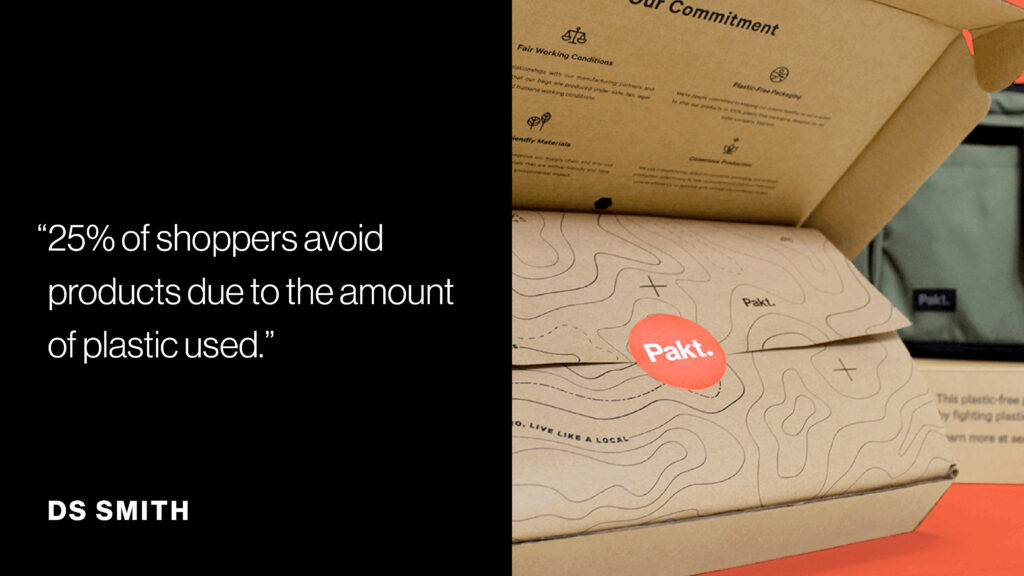
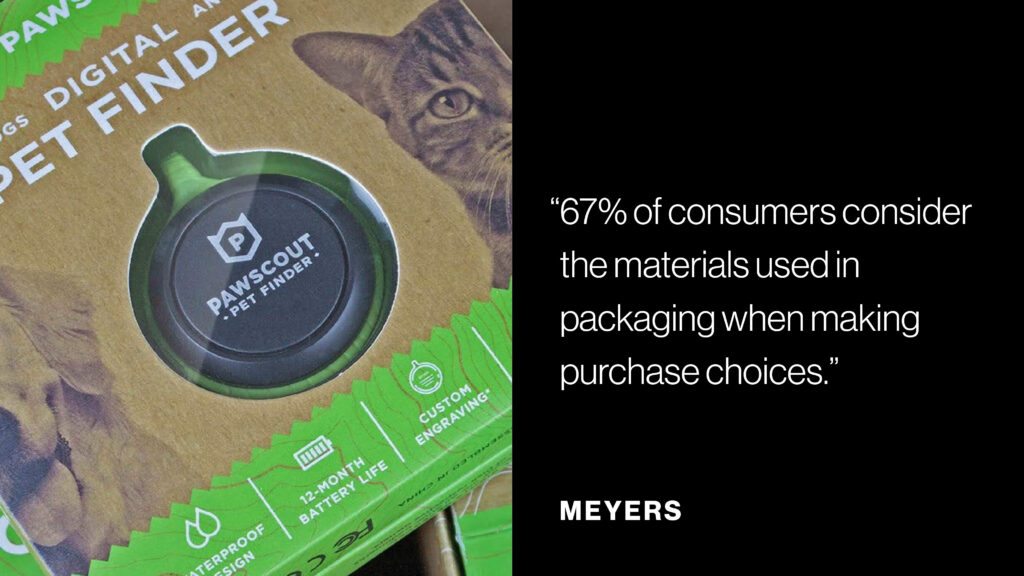
Traditional packaging materials such as single-use plastics and non-recyclable composites have contributed to major environmental challenges, including ocean pollution, overflowing landfills, and resource depletion. As consumers become more eco-conscious, a brand’s approach to packaging is increasingly influencing purchasing decisions.
Regulatory pressure is also accelerating change. Governments around the world are introducing bans on single-use plastics, setting recycling targets, and incentivizing renewable materials. For brands, this shift presents both a responsibility and an opportunity: sustainable packaging reduces environmental impact while strengthening brand credibility and trust.
As a packaging design consultancy, we see each project as a chance to combine strategy, materials, and structure into solutions that move brands, and the industry, toward a greener future.
Auditing Your Packaging for Sustainability Opportunities
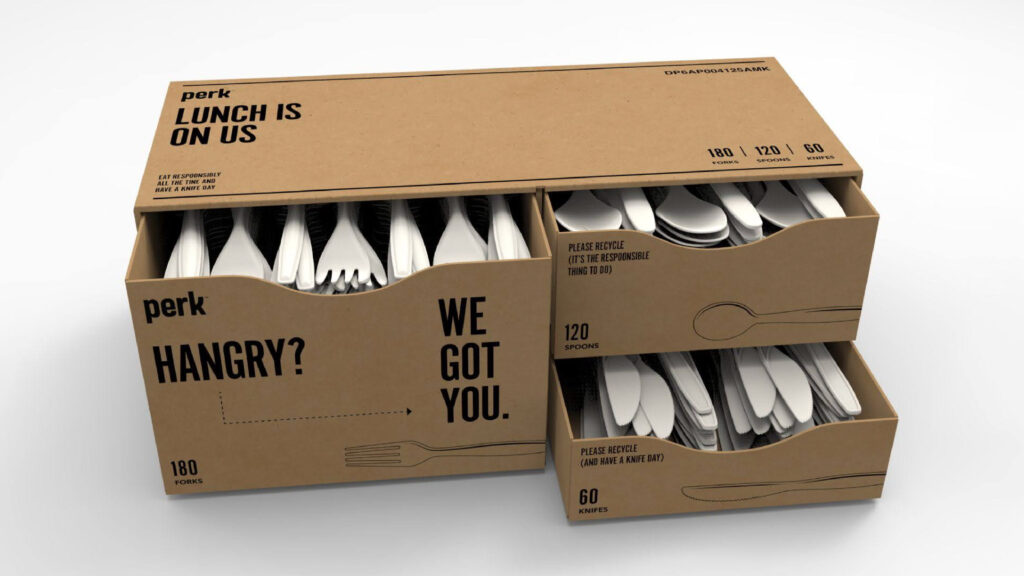
Brands often begin their journey toward sustainable packaging by auditing their existing systems to uncover opportunities for innovation. At Sprout Studios, we evaluate every aspect of a package, from materials and structure to space efficiency and logistics, to identify where waste can be reduced and performance improved.
Our team looks for:
- Unnecessary components
- Excess material usage
- Inefficient structures that increase shipping volume or waste
By streamlining packaging systems, brands can often reduce material use, lower shipping emissions, and improve cost efficiency, all without compromising the user experience.
A well-known example is Apple’s iPhone packaging redesign. By reducing box size and removing accessories like charger ports, Apple decreased material usage and improved shipping efficiency, allowing more units per pallet and lowering transportation emissions. This is a great example of how sustainable packaging design can deliver both environmental and operational benefits.
For a closer look at the specific materials leading this shift, plant-based plastics, mycelium packaging, compostable fibers, and more, see our breakdown of 2026 packaging design trends.
Sustainable Packaging Starts at the Source
Sustainability doesn’t begin with disposal, it starts in production. Reducing waste during manufacturing is one of the most effective ways to lower a package’s overall environmental footprint.
Brands can:
- Use materials more efficiently
- Reduce energy consumption
- Eliminate unnecessary steps and components in the supply chain
Working with suppliers who prioritize eco-friendly practices is also essential. Responsible sourcing, renewable energy use, and recyclable or biodegradable materials help ensure sustainability is built into the process, not just added at the end.
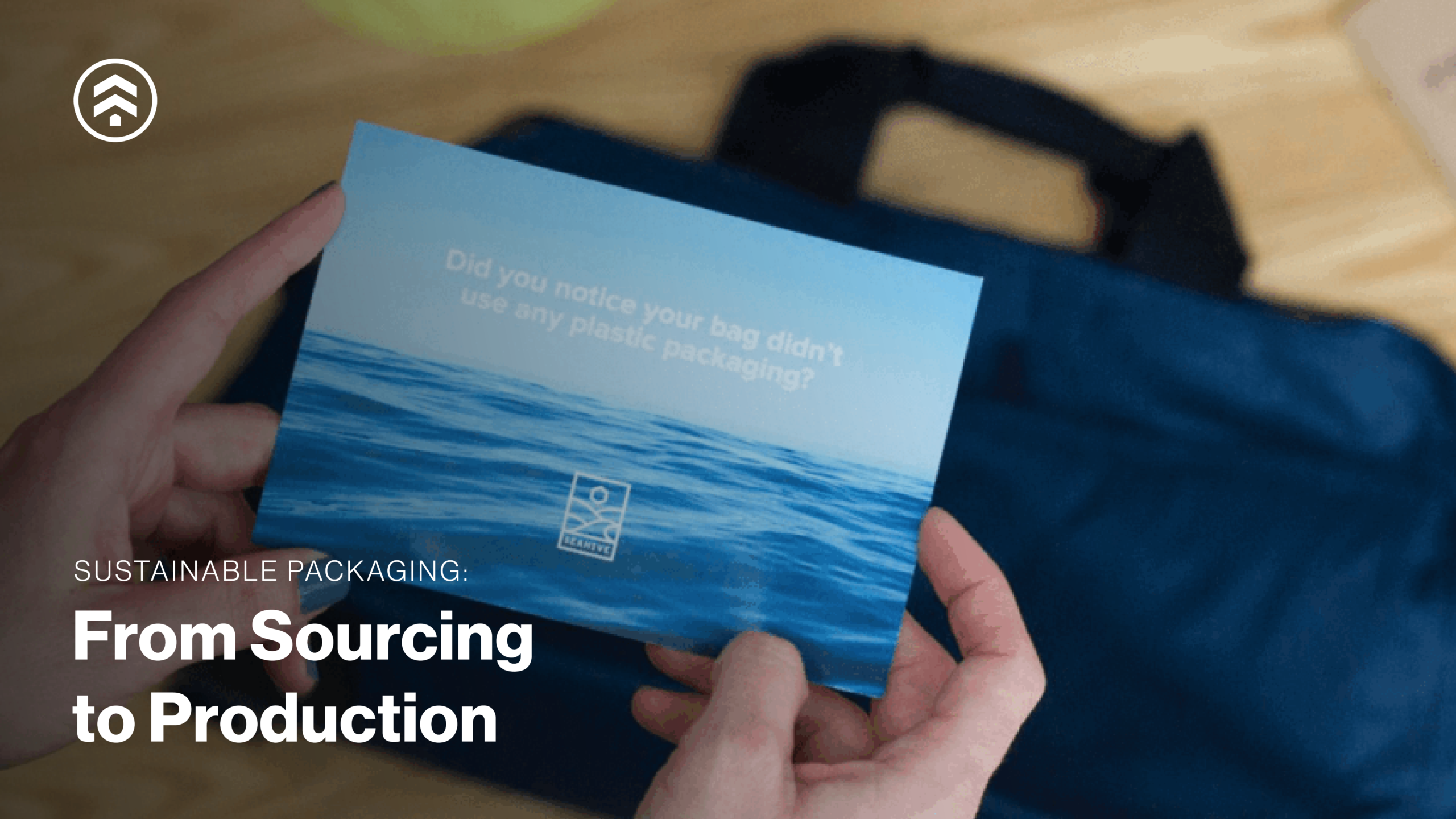
Our own experience with this challenge led us to co-found Seahive, a plastic-free packaging initiative born out of years spent navigating the complexities of sustainable sourcing for our clients. What started as a custom solution for a single brand has grown into a platform helping other businesses eliminate single-use plastics from their own operations, proof that sourcing decisions made early can create ripple effects well beyond a single product.
Equally important is consumer education. Clear labeling and disposal instructions significantly increase the chances that packaging will be recycled or composted correctly. When packaging is designed for easy separation of materials, recycling becomes simpler and more effective, supporting true circularity.
The Future of Packaging Design is Green
The future of packaging design is undeniably sustainable. Brands that invest in eco-friendly packaging today are better positioned to meet regulatory demands, consumer expectations, and long-term environmental responsibilities.
More importantly, sustainable packaging isn’t just about compliance, it’s about designing smarter systems that reduce waste, improve efficiency, and strengthen brand trust from sourcing through the supply chain.
If you’re exploring how to make your packaging more sustainable, our team can help you identify opportunities across materials, structure, and supply chain strategy.
Connect with our design team to explore sustainable packaging solutions that support your brand’s commitment to a greener future.