The human brain is a pattern-seeking machine, subtly shaping consumer decisions in ways you may not immediately recognize. In industrial design, Color, Material, and Finish (CMF) are powerful tools that influence perception, evoke emotion, and enhance user experience. At Sprout Studios, we leverage CMF strategies to design products that are not only functional but also visually appealing and emotionally resonant. Thoughtful application of CMF ensures products connect with consumers, drive engagement, and increase market success.
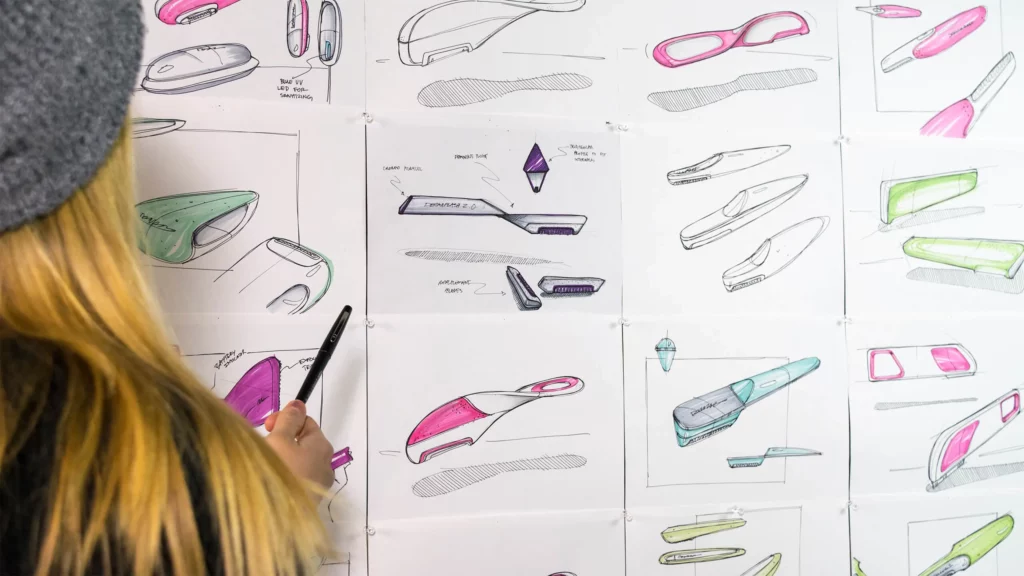
The Power of Color in Product Design
Colors are closely associated with feelings and emotions. For example, reds and greens often evoke thoughts of Christmas and the Yuletide season. This seasonal color association can drive short-term sales of various products, from candy to apparel.
In product design, color choices can subtly and subliminally influence public perception. Our product development studio conducts user research to understand consumer preferences, and our CMF specialists leverage these insights to thoughtfully curate color palettes that enhance marketability. Certain colors appeal to consumers depending on the product type, while others may not, making this careful selection crucial to a product’s success.
Colors can serve as a call to action for consumers. In marketing, reds are often linked with authority, blues with trust, and greens with health. Softer tones can convey relaxation, while bold colors may create a sense of urgency. The right color choices can significantly alter a consumer’s perception of a product and its intended function.
Material Matters: Selecting the Right Components for Function and Appeal
Material selection is critical to both the performance and perception of a product. This choice goes beyond simply weighing cost and aesthetics; it plays a crucial role in maintaining the brand image and ensuring the product’s functionality. With a myriad of material options available, the selection process must consider various factors to achieve the optimal balance between form and function.
Industrial design studios must skillfully blend functionality with visual appeal. A well-designed product should not only be durable but also aesthetically pleasing. Designers need to thoroughly understand consumer needs to create a design that meets both practical and emotional requirements. Key considerations in the material selection process include weight, density, and durability, which can significantly impact the user’s experience and the product’s longevity.
Moreover, aligning material choices with brand messaging is essential for delivering a cohesive product experience. For instance, a company that promotes sustainability should opt for eco-friendly materials to align with consumer expectations and brand values. Our product design studio prioritizes this alignment, ensuring that our material choices reflect our partner’s message while also delivering top-notch functionality. This alignment is a critical responsibility, and CMF serves as a guiding principle.
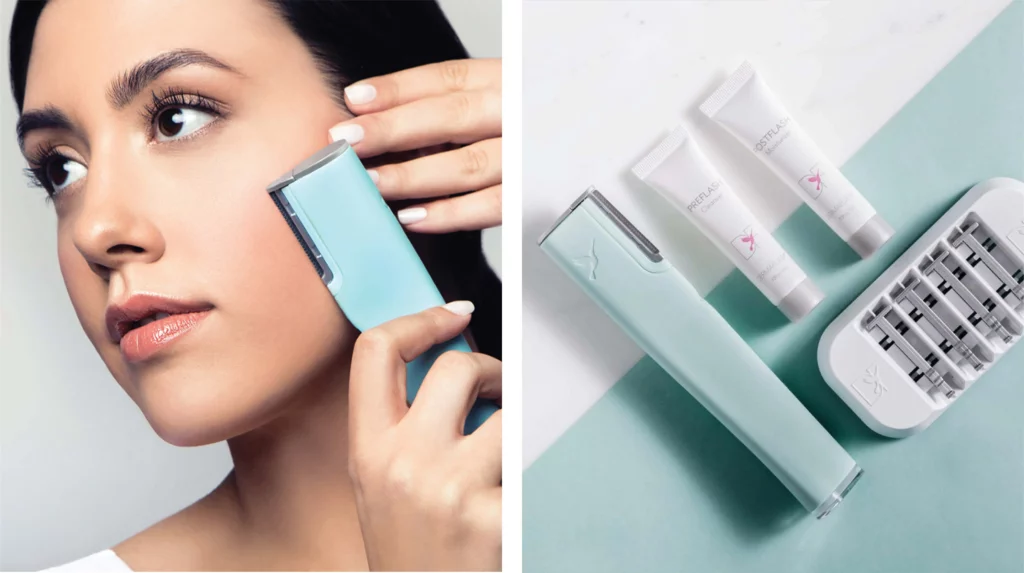
The Impact of Finish on User Experience and Perceived Quality
The tactile quality of a product plays a critical role in shaping consumer perception and experience. The way a product feels in the hand can create a lasting impression and significantly influence a user’s emotional connection to the item. Whether it’s the cool, smooth surface of polished metal or the warm, textured grain of stained wood, the finish of a product can evoke a range of emotions, from comfort and satisfaction to excitement and luxury.
For products made of metal or plastic, the choice between matte and glossy finishes can dramatically affect consumer satisfaction. A matte finish might offer a soft, understated feel, reducing glare and providing a sense of elegance and sophistication. In contrast, a glossy finish can create a sleek, modern look, reflecting light and adding a sense of vibrancy and energy. The finish not only influences the visual appeal but also the tactile interaction, enhancing the overall user experience.
The relationship between an item and the user is deepened by how it feels during use. A well-designed product with a thoughtfully chosen finish can feel reassuring and pleasurable, encouraging users to interact with it more frequently and confidently. For everyday products, this means the finish should be resilient, resistant to scuffing or scratching, and practical for daily use. A product that feels sturdy and well-crafted can instill a sense of trust and reliability in the user, making it more likely that they will recommend it to others and remain loyal to the brand.
Poor finishing, on the other hand, can detract from a product’s perceived value, even if it functions as intended. A rough or inconsistent surface can feel unpleasant and diminish the overall experience, while a finish that quickly shows signs of wear can make the product seem cheap or poorly made. Aesthetics and tactile quality are interlinked, and a well-considered finish can significantly enhance a product’s appeal and usability, creating a more satisfying and memorable user experience.
Combining CMF for Maximum Impact
The most successful product designs integrate color, material, and finish cohesively. CMF alignment with brand strategy strengthens recognition, builds consumer trust, and creates products that feel intentional and purposeful.
A well-executed CMF strategy considers:
- Aesthetics: Ensuring visual appeal and brand consistency.
- Usability: Supporting ergonomic function and intuitive interaction.
- Durability: Selecting materials and finishes that stand up to real-world use.
At Sprout, we thoughtfully combine these elements to craft products that resonate with consumers, elevate user experience, and align with brand identity.
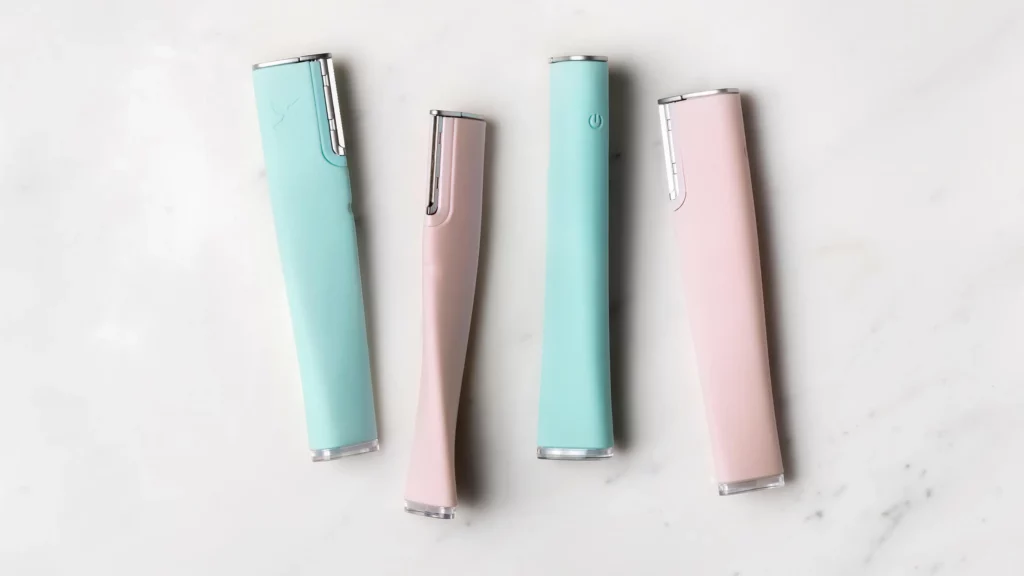
Design Better Products with Sprout’s CMF Experts
Color, material, and finish are not just surface-level decisions. They shape how products are perceived, used, and trusted. The right CMF strategy helps products communicate quality, reinforce brand identity, and create experiences that feel intentional from the first interaction to everyday use.
In practice, effective CMF choices support usability, improve perceived value, and influence buying decisions. Whether it’s selecting materials that signal durability, finishes that enhance comfort and longevity, or colors that align with brand positioning, these decisions directly impact how a product performs in the market.
At Sprout, CMF is integrated into the product development process from the earliest design stages through production. This ensures every product balances function, aesthetics, and manufacturability—while staying aligned with both user needs and business goals.
If you’re developing a new product or refining an existing one, our industrial design team can help you use CMF strategically to create products that connect with users and stand out in competitive markets. Get in touch with our product design experts to start the conversation.