More layers. More inserts. More plastic. More waste. More cost. More friction.
The era of “more” packaging is over.
In 2026, the brands winning aren’t adding, they’re editing. They’re designing packaging that’s smarter and more intentional from the start.
In this blog, our packaging design experts unpack six trends shaping packaging design in 2026 and how brands are using them to create packaging that performs.
Circular by Design: Sustainability as a Design Standard
One of the most powerful forces shaping packaging in 2026 is the demand for sustainability. Consumers expect brands to move away from wasteful materials and embrace solutions that are compostable, recyclable, or fully regenerative.
In response, innovative alternatives like plant-based plastics, mushroom foams, paper composites, and water-soluble films are gaining momentum. These materials offer lower carbon footprints without sacrificing performance, enabling brands to reduce impact while staying competitive.
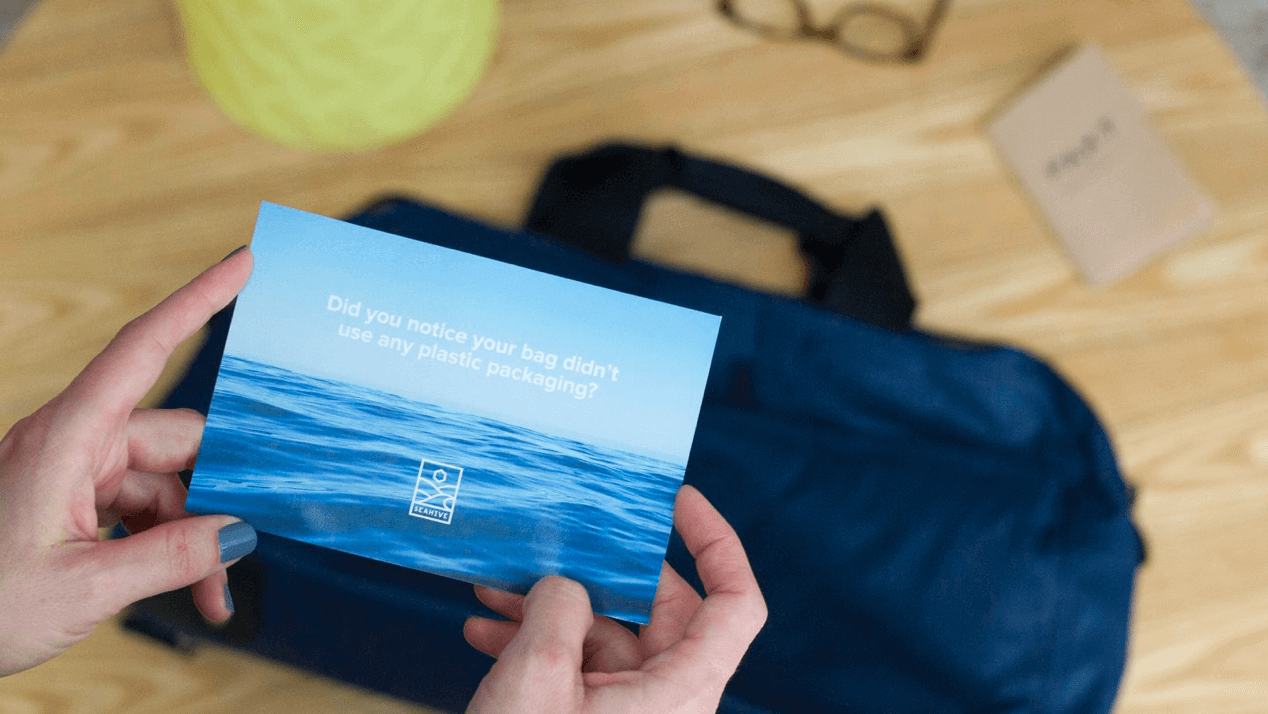
At Sprout, we’ve helped multiple clients transition to plastic-free systems or redesign existing packaging to meet modern sustainability goals. After years navigating the complexities of sustainable sourcing and design, we co-founded Seahive, a plastic-free packaging initiative aimed at reducing ocean pollution. What began as a custom solution for one brand has grown into a platform supporting businesses committed to eliminating single-use plastics from their operations.
Sustainability isn’t just a differentiator anymore, it’s a design standard. And when done right, it doesn’t just lower impact; it builds trust, brand loyalty, and long-term value.
Packaging Gets Personal: Customization at Scale
Consumers want more than products, they want experiences. Thanks to digital printing and modular design systems, brands can now personalize packaging at scale.
From region-specific artwork to influencer collabs and limited drops, packaging is becoming a storytelling tool tailored to niche audiences and moments. Technologies like variable data printing make it possible to produce short runs of highly customized packaging, fast, cost-effectively, and with impact.
Personalization isn’t just a novelty. It’s a strategy for standing out, building loyalty, and showing your audience you’re paying attention.
Designed to Stay: Reusable and Multi-Purpose Packaging
Smart brands aren’t just designing packaging, they’re designing long-term value. Reusable and multi-purpose packaging has moved beyond experimentation and is now an expectation for consumers who want products that reduce waste and serve a second life. From refillable beauty containers to stackable food storage or elegant tins that transform into practical storage solutions, packaging that’s meant to be kept extends the brand-customer relationship well beyond the point of sale.
Brands like Fenty Beauty have embraced refillable systems that allow customers to replenish core products without replacing the entire package. Loop, a circular shopping platform, has partnered with major CPG brands like Unilever and Nestlé to introduce durable, returnable packaging for everyday essentials.
At its best, this approach turns packaging into a lifestyle object—something customers proudly display or repurpose, extending your brand’s presence in their daily routines. It’s sustainability with a side of smart design. Plus, it builds loyalty every time the package gets reused.
Beyond the Box: Unboxing as a Brand Experience
Unboxing isn’t about excess, it’s about intention. As more purchasing happens online, the moment a product arrives has become one of the few physical brand interactions consumers experience. Thoughtfully designed unboxing turns that moment into a considered, crafted experience that reinforces quality, care, and brand values, while also guiding customers through setup and first use.
Strong unboxing experiences focus on clarity, pacing, and material choice. Minimal outer packaging paired with purposeful interior elements—smart folds, intuitive reveals, and tactile materials—creates a sense of occasion without unnecessary waste. Just as importantly, a well-designed unboxing flow helps customers understand what they bought and how to use it, reducing friction at the most critical moment of the product experience.
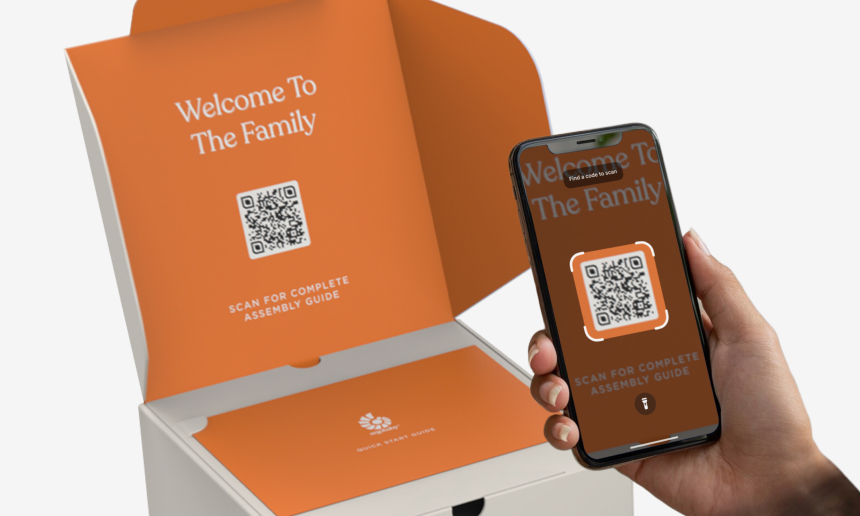
We’ve seen firsthand how unboxing can directly impact performance. When Ergobaby came to us, one of their products was being returned far too often, not because it was flawed, but because customers were confused or frustrated during setup. By redesigning the unboxing sequence, packaging design, and instructional touchpoints, we turned the box into a guided setup experience, improving first-use confidence and helping protect the experience the product was designed to deliver.
Technology increasingly plays a supporting role in this experience. QR codes, NFC tags, and subtle digital touchpoints can extend the moment beyond the box, offering how-to content, sourcing transparency, loyalty programs, or brand storytelling. Rather than distracting from the physical experience, these tools create a seamless bridge between the product, the brand, and the consumer.
At its best, unboxing leaves a lasting impression not because it’s flashy, but because it’s thoughtful. A well-crafted unboxing experience signals attention to detail, and that attention is often what customers remember most.
Inclusive by Intent: Designing for Everyone
Accessibility is integral to good design. Inclusive packaging goes beyond aesthetics, it ensures that products are easy to open, use, and understand for people of all ages and abilities. Features such as tactile markers, large, high-contrast typography, ergonomic grips, and universally recognizable icons help remove barriers and enhance the user experience.
Designing with accessibility in mind means creating packaging that’s safer, more convenient, and welcoming to everyone. Inclusive packaging is vital for brands committed to truly serving their diverse audiences and expanding their reach.
By prioritizing inclusivity, brands not only improve usability but also demonstrate empathy and social responsibility—values that resonate deeply with conscious consumers.
Fast, Flexible, and Bold: Tech Reshapes Packaging Production
Manufacturing breakthroughs have transformed what’s possible in packaging design and how quickly brands can bring concepts to market. Tools like 3D printing, laser etching, and robotic automation allow brands to prototype faster, iterate freely, and produce packaging that is as bold and unique as the product inside.
Need intricate textures or ultra-customized shapes? 3D printing allows for rapid experimentation without committing to costly molds. Want limited-edition runs or hyper-personalized finishes? Laser detailing makes it feasible at scale. These tools don’t just unlock creative freedom, they cut lead times and reduce waste, giving brands a competitive edge in both design and speed to market.
As demand grows for agility and innovation, these advanced techniques are becoming less of a luxury and more of a necessity, especially for brands pushing boundaries in niche markets, luxury goods, or direct-to-consumer channels.
Lead the Pack: Sprout as Your Packaging Innovation Partner
Packaging innovation isn’t just about keeping up, it’s about staying ahead. The brands that succeed in 2026 will be those that anticipate consumer needs, embrace sustainability, and harness technology to deliver smarter, more intentional design.
At Sprout Studios, we partner with brands that want to lead the pack. Whether you’re launching a new product or overhauling your packaging portfolio, our team blends strategy, creativity, and technical expertise to build packaging that connects and performs.
Ready to innovate your packaging and shape the future of your brand? Let’s talk.