Many of the biggest cost and production challenges in manufacturing are not created on the factory floor. They are created much earlier, during design.
Small decisions made during concepting and development can have an outsized impact on how a product is manufactured, assembled, and scaled. Geometry, materials, tolerances, and part complexity all influence cost, lead time, and production reliability. When those decisions are not made with manufacturing in mind, issues tend to surface later, when they are significantly more expensive to fix.
Design for manufacturing (DFM) helps prevent this disconnect. It ensures products are designed with production in mind from the start, making them easier to build, more efficient to scale, and more cost-effective to bring to market.
In this article, our product development team breaks down what DFM is, why it matters, and how better design decisions reduce cost, risk, and complexity across the entire product lifecycle.
What Is Design for Manufacturing (DFM)?
Design for manufacturing is the practice of designing products for efficient, consistent, and scalable production. Rather than treating design and manufacturing as separate phases, it connects them, ensuring that what is designed can be produced reliably using real-world materials, processes, and constraints.
It spans the full product lifecycle, linking concept, engineering, manufacturing, and even marketing. Product design, materials, engineering requirements, and manufacturing methods are brought together into a single, coordinated system that reflects how a product will actually be made.
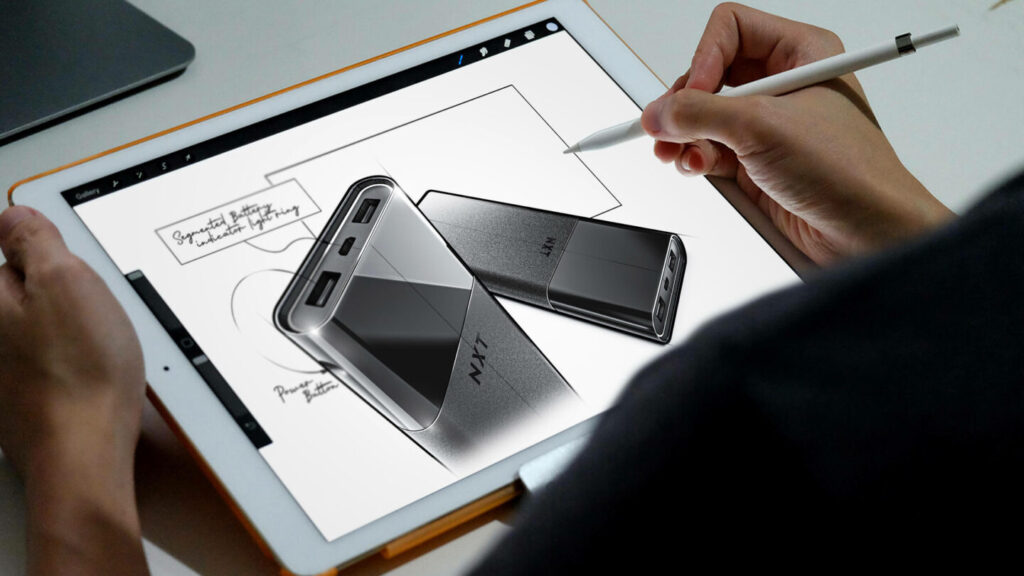
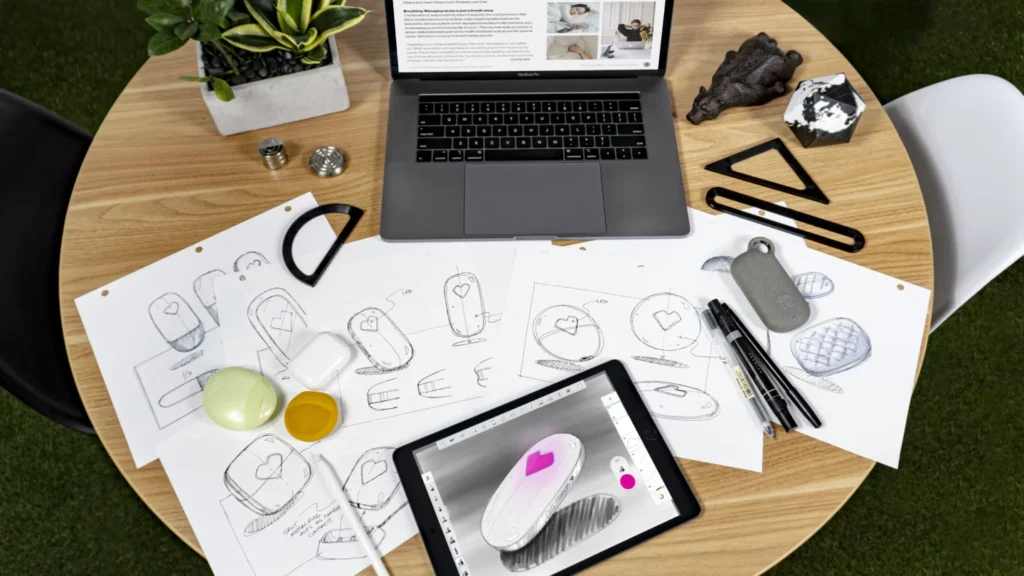
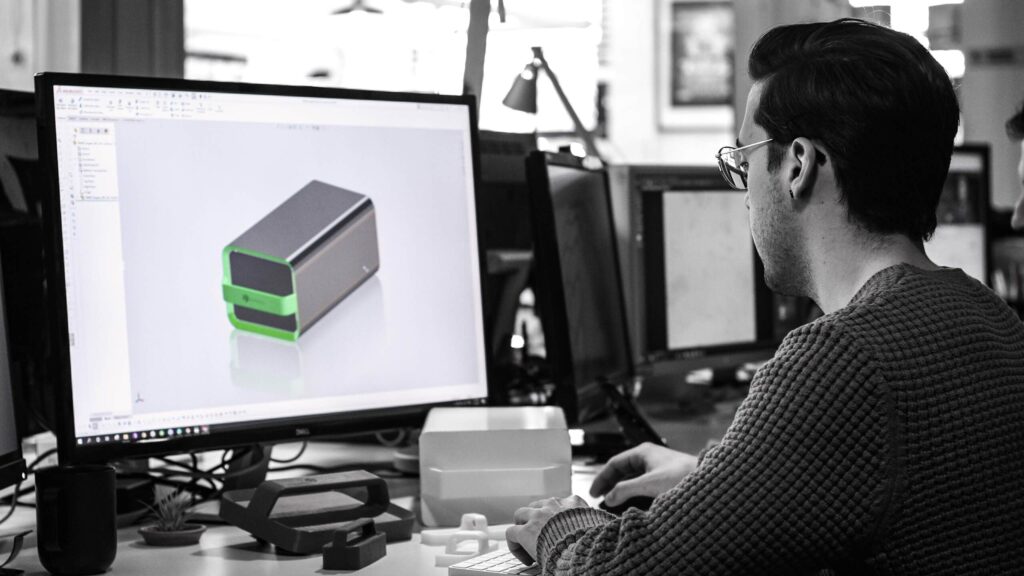
This process is increasingly supported by digital workflows. CAD models, simulation tools, visualization, and prototyping systems allow teams to evaluate feasibility, refine decisions, and align stakeholders before anything is physically produced.
In practice, this level of alignment is strongest when design and visualization are developed together. Integrated teams can build accurate 3D models, explore materials and finishes, and communicate intent clearly across disciplines, making it easier to identify issues early and move into production with greater confidence. At Sprout, our multidisciplinary studio brings industrial design, engineering and visualization together in-house, allowing them to evolve in parallel.
How Early Design Decisions Shape Manufacturing Cost and Risk
DFM is not just an engineering consideration. It is a business advantage.
Products designed with manufacturing in mind are typically more efficient to produce, faster to bring to market, and more reliable at scale. They require fewer revisions, encounter fewer production issues, and are easier to iterate over time.
At Sprout, our designers play a critical role: they ensure that known manufacturing constraints don’t limit our ability to fully address user needs. In fact, the easiest way to manufacture something can often lead to core dysfunctions within an established product category. Striking the right balance is key. What is designed must ultimately be buildable, and our design team ensures this happens without sacrificing market appeal or user experience.
DFM reduces cost by simplifying components and minimizing unnecessary complexity. It reduces risk by identifying potential issues earlier in the process. It improves speed by removing friction between design and production. And it supports scale by creating systems that can be repeated, adapted, and expanded.
Common Design Decisions That Create Manufacturing Issues
Many manufacturing challenges can be traced back to design decisions that did not fully account for production realities.
Overly complex parts can increase tooling costs and slow down production. Tight tolerances can make components difficult to manufacture consistently. Designs that are difficult to assemble can increase labor time and introduce quality issues.
Material selection is another common source of friction. Choosing materials that are difficult to source, process, or finish can create delays and inconsistencies. Similarly, designs that rely on too many custom components or hard-to-access fasteners can complicate both assembly and maintenance.
These issues are often not as obvious in early concept stages. They tend to surface later, when teams are preparing for production or already in it.
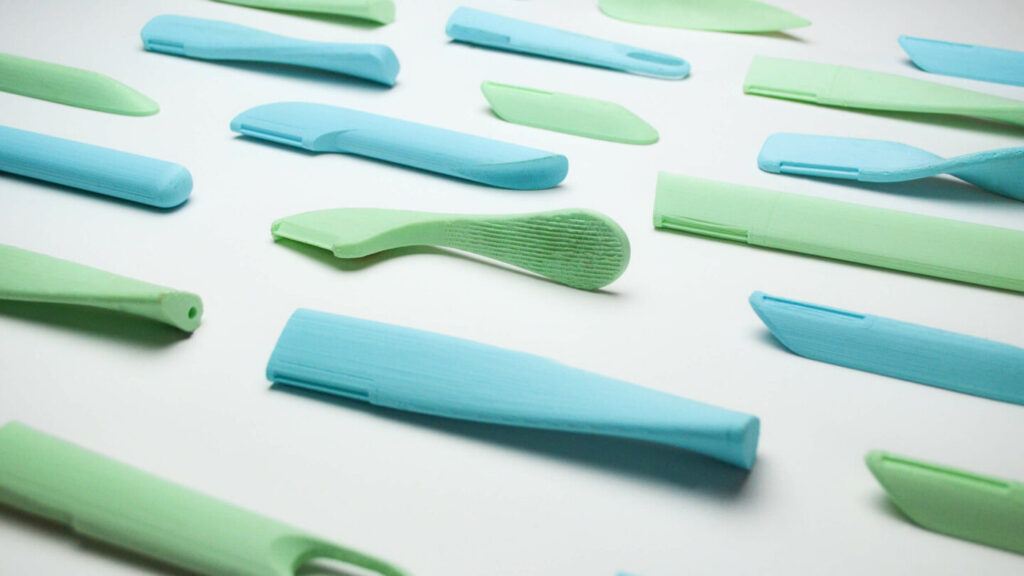
This is where digital visualization and advanced simulation tools become invaluable. Moving beyond basic product models, engineering teams leverage Finite Element Analysis (FEA) to predict structural stresses and deformation under real-world loads, alongside injection molding simulation (Moldflow) to catch filling defects like air traps or sink lines before tooling begins. These digital twins allow teams to optimize wall thicknesses, refine gate placements, and surface complex geometric challenges while they are still entirely friction-free to fix.
What Changes When Products Are Designed for Manufacturing
Good DFM simplifies products without compromising performance.
It reduces the number of parts and streamlines geometry, making products easier and faster to manufacture and assemble. It aligns design decisions with manufacturing processes, whether that is injection molding, CNC machining, casting, or other methods, ensuring the product is optimized for how it will actually be produced.
It also reduces tooling complexity, improves repeatability, and minimizes material waste. These improvements compound over time, especially in higher-volume production.
One of the most important advantages of DFM is timing. The earlier issues are identified, the lower the cost of change. Digital tools play a key role here. CAD and visualization systems allow teams to iterate quickly, evaluate materials and finishes, and test configurations without relying entirely on physical prototypes.
This approach enables faster iteration and better decision-making before significant investments are made in tooling or production. By validating design choices early, teams can move forward with greater clarity and reduced risk.
From Single Products to Scalable Platforms
Designing for scale means thinking in systems, not individual outputs. At its core, a product platform is a shared baseline architecture—encompassing modular components, standardized interfaces, and consistent manufacturing logic—from which a family of product variants can be built. By shifting focus away from isolated outputs toward an integrated platform system, engineering and design teams can implement modular structures that easily expand across different use cases without restarting the development cycle from scratch.
This approach allows teams to expand product lines without starting from scratch each time. Shared components, consistent design logic, and standardized processes make it easier to introduce new variations while maintaining efficiency and quality.
Digital tools are critical in supporting this scale. When product data is built correctly, it becomes more than a design file. It becomes a centralized asset that supports engineering, manufacturing, and downstream applications like marketing, e-commerce, and content creation.
Design for Manufacturing as a Strategic Advantage
Design for Manufacturing is a strategic approach to building better products.
The decisions made during design directly impact cost, quality, speed, and scalability. When those decisions are informed by manufacturing from the start, products are easier to produce, easier to scale, and more resilient over time.
At Sprout, we help teams align design, engineering, and production early in development. Our processes, systems, and experience reduce uncertainty and create a clearer path from concept to manufacturing.
If you are developing a new product and want help aligning design with manufacturing from the start, connect with Sprout’s product design team.