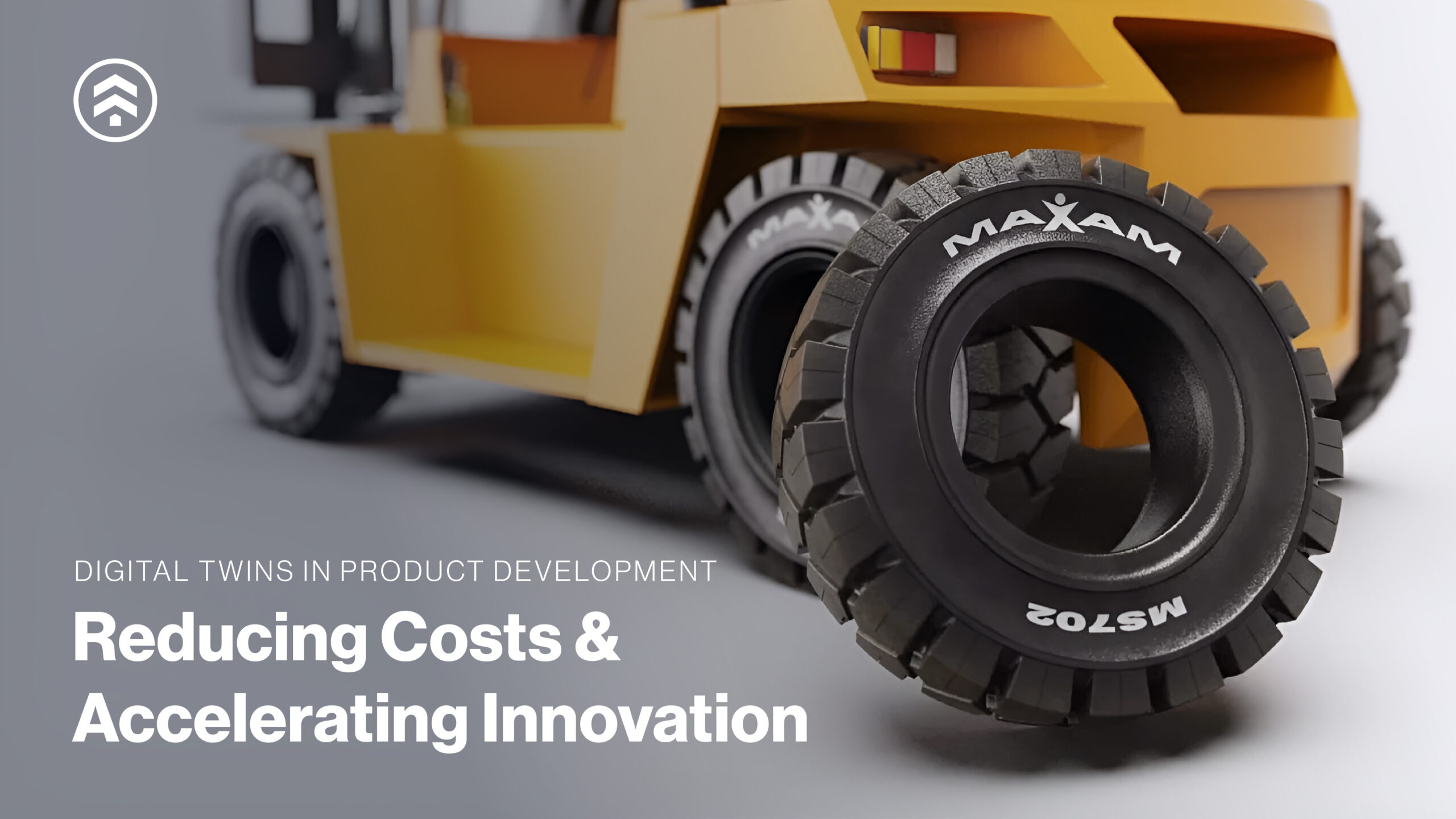
Efficient product development requires balancing speed, cost, and quality. Companies are increasingly using digital twins to support smarter design decisions and streamline workflows. These digital models allow teams to simulate, test, and refine products in a virtual environment before committing to physical prototypes.
By reducing reliance on multiple prototypes, digital twins save time, lower costs, and provide actionable insights throughout the product lifecycle. From virtual prototyping and simulation to supply chain optimization and real-time collaboration, digital twins bridge the gap between concept and production, enabling highly detailed, dynamic representations of products.
In this blog, we’ll explore how digital twins are applied in product development and the benefits companies are achieving by incorporating this technology.
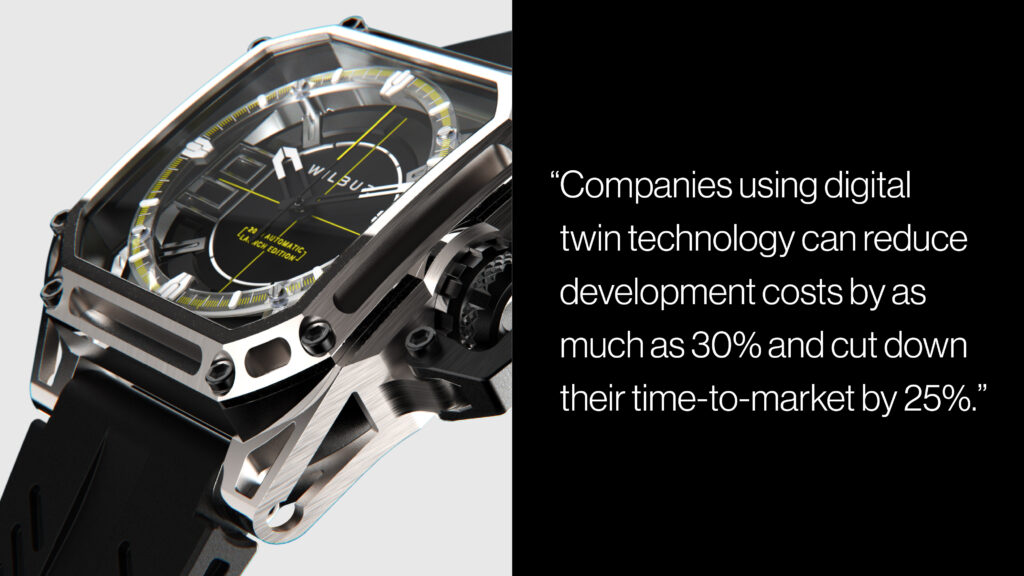
How Digital Twins Transform Product Development
Digital twins enable a smarter, faster, and more accurate approach to product design and engineering. They allow teams to explore ideas virtually, test performance, and refine designs iteratively—all before committing to physical prototypes.
Virtual Prototyping
Traditionally, product development involves building physical prototypes to test and refine design ideas. This process can be costly and time-consuming, especially when multiple iterations are required.
Digital twins allow teams to create highly detailed interactive models of products. These models behave like their physical counterparts, providing designers and engineers an accurate representation of how a product will function in the real world. This reduces the number of physical prototypes required, saving time, cost, and material.
Simulation & Testing
Digital twins facilitate simulation and testing in a virtual environment, allowing companies to evaluate a product’s performance, durability, and usability without creating physical models. Virtual models can be tested under a wide range of conditions to evaluate performance, durability, and usability. Whether stress-testing product structures or assessing interactions with other systems, simulations reduce risk and prevent costly errors in physical production.
Iterative Design
Digital twins accelerate design iterations. Real-time feedback and predictive modeling allow teams to quickly assess the impact of changes on performance, functionality, and manufacturability. This results in faster, more informed decision-making and optimized final products.
Cost & Efficiency Benefits of Digital Twins
Beyond faster innovation, digital twins help companies reduce costs, minimize waste, and improve product quality.
Minimizing Material Waste
Physical prototyping can be costly, time-consuming, and wasteful, especially when multiple iterations are required to refine a design. Digital twins allow teams to simulate and test products virtually, reducing or even eliminating the need for excess physical prototypes. By modeling every variation digitally, companies save on raw materials, reduce packaging and disposal costs, and lower their environmental footprint. This approach also enables teams to experiment freely, testing multiple design alternatives without the financial or ecological penalty of producing each version in the real world.
Decreasing Time-to-Market
One of the most impactful advantages of digital twins is the ability to accelerate product development. Virtual prototypes allow design, engineering, and marketing teams to iterate quickly, testing changes and validating performance in real time. This reduces the typical lag between iterations that comes with physical prototyping and manual testing. As a result, products move from concept to market much faster, enabling companies to respond more quickly to consumer trends, launch ahead of competitors, and capitalize on market opportunities with reduced risk. Faster time-to-market also allows marketing and sales teams to start planning campaigns sooner, aligning launch timing with strategic business goals.
Enhancing Supply Chain Efficiency
Beyond design, digital twins can provide actionable insights into manufacturing and supply chain processes. By simulating production workflows, companies can identify bottlenecks, optimize assembly lines, and forecast resource needs. Digital twins also enable predictive maintenance, anticipating equipment failures before they occur, which reduces downtime and avoids costly disruptions. By integrating real-time data from suppliers, logistics, and production facilities, digital twins help businesses streamline operations, manage inventory more effectively, and ensure that product launches and updates remain on schedule. This results in a more resilient, responsive, and cost-efficient supply chain.
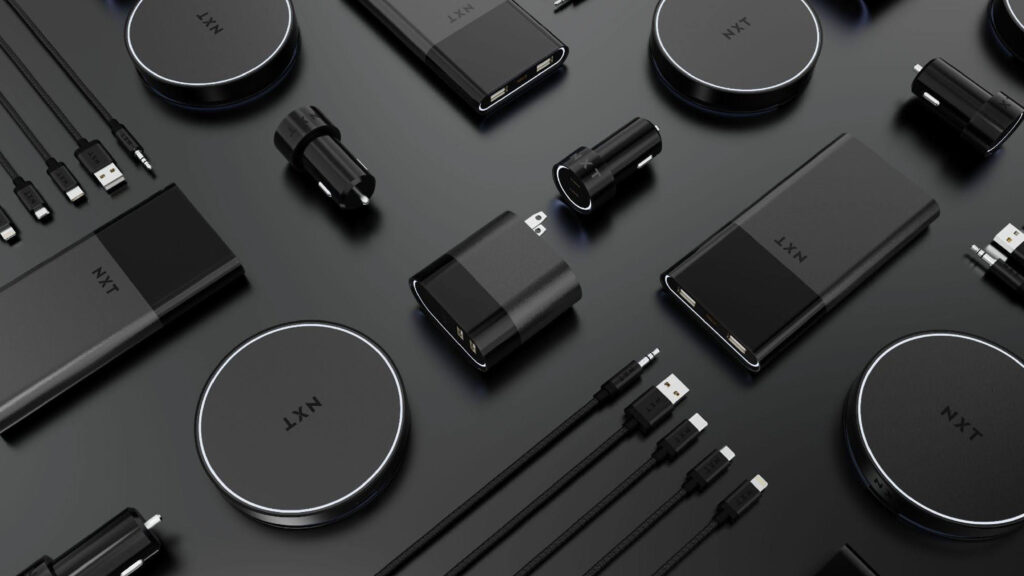
Accelerating Innovation with Digital Twins
Digital twins enable new levels of collaboration, creativity, and predictive design.
Real-Time Collaboration
As teams become increasingly distributed, coordinating design, engineering, and manufacturing efforts can be challenging. Digital twins create a centralized, interactive virtual environment where all stakeholders can collaborate in real time. Designers, engineers, and product managers can view the same model, provide feedback, make adjustments, and test design ideas instantly. This reduces miscommunication, eliminates redundant work, and speeds up decision-making. By enabling concurrent collaboration across locations and departments, digital twins shorten review cycles, improve alignment, and ensure that innovations move from concept to production faster.
Dynamic CMF Exploration
Color, Materials, and Finish (CMF) choices play an important role in product appeal and market success. Digital twins allow teams to experiment with a wide range of materials, textures, and color schemes in a virtual space, without creating multiple costly physical prototypes. Designers can see how finishes interact with light, test material performance under simulated conditions, and iterate rapidly on visual and functional aspects. This dynamic CMF exploration fosters creativity, reduces risk, and accelerates the design process, resulting in products that are both aesthetically compelling and manufacturable.
Integration with AI & Machine Learning
Integrating AI and machine learning with digital twins unlocks predictive and data-driven design capabilities. AI can analyze historical performance, simulate usage scenarios, and identify potential design flaws before physical production begins. Machine learning models can also suggest optimizations for materials, structures, or configurations based on prior product iterations. This predictive approach minimizes costly errors, anticipates market trends, and ensures products are optimized for performance, cost, and manufacturability. The combination of AI and digital twins empowers teams to make smarter decisions faster, reducing development risk while fostering continuous innovation.
Case Study: Consumer Electronics Brand
One of our clients, a leading global consumer electronics brand, leveraged digital twin technology to streamline its product development and marketing asset production.
Challenges:
- Multiple product variants requiring accurate, high-quality visual assets
- Need for faster time-to-market and improved collaboration across distributed teams
Solutions:
- Created detailed digital replicas of products for virtual prototyping
- Developed interactive models to support marketing and sales
- Enabled rapid iterations and real-time team collaboration
Results:
- Reduced development costs and accelerated launch timelines
- Improved internal efficiency and cross-team collaboration
- Created marketing-ready visuals in parallel with product development
This case demonstrates how digital twins not only optimize product design but also drive measurable business outcomes.
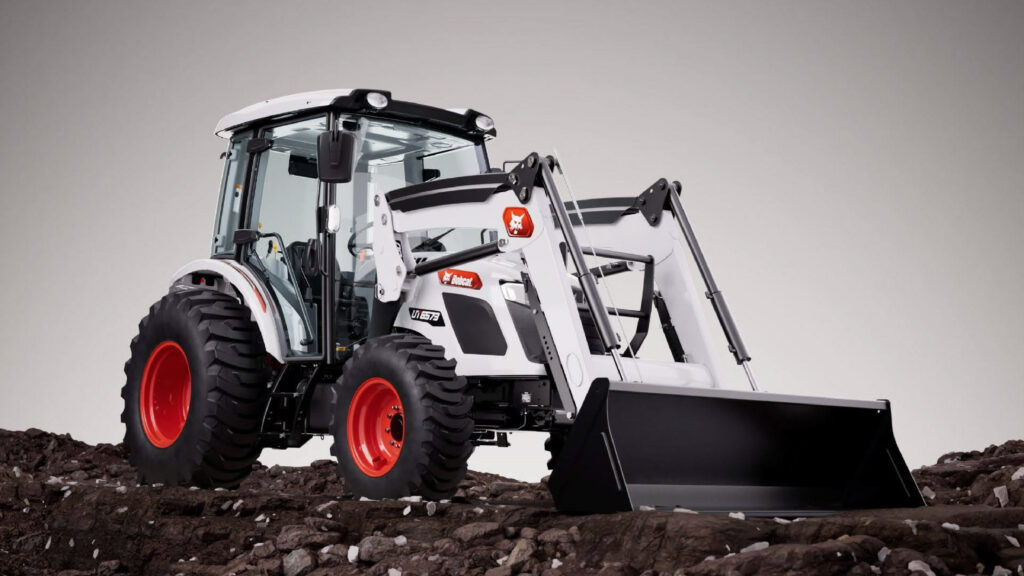
Driving Smarter Product Development with Digital Twins
Digital twins are transforming the way companies approach product development, offering the ability to reduce costs, accelerate innovation, and improve product quality. By combining virtual prototyping, simulation, real-time collaboration, and AI-powered insights, businesses can bring products to market faster while reducing risk and material waste.
At Sprout Studios, we specialize in bringing digital twins to life with photorealistic renderings, interactive models, and virtual prototypes. Our visualization expertise helps companies—from startups to Fortune 500 brands—refine designs, fast-track marketing assets, and optimize go-to-market strategies.
Ready to accelerate your product development and bring your designs to life? Contact Sprout Studios to learn how our digital twin and visualization solutions can transform your workflow and drive innovation.