Choosing a product design and development firm is not simply about finding the best portfolio or the longest list of capabilities. The right partner needs to understand the user, solve the right product problem, manage technical risk, and help connect the product itself to how it will ultimately be positioned, communicated, and brought to market.
A strong development partner maintains continuity from early insight through design, engineering, validation, and launch so the original product opportunity is not lost as development progresses.
The right partner will be different for every program. Start by understanding what your organization can handle internally, where the greatest unknowns or risks exist, and how much support you need from early strategy through commercialization. Those requirements should determine the type of firm you choose.
What Does a Product Design & Development Firm Do?
A product design and development firm helps translate a market or user opportunity into a product that can be designed, engineered, validated, manufactured, and successfully introduced to customers.
Depending on the firm, capabilities may include research and strategy, industrial design, engineering, prototyping and validation, visualization, branding, packaging, digital experience design, design for manufacturing, and production support.
Some firms specialize deeply in one discipline, while others connect multiple capabilities across the development process. Neither model is inherently better. The important question is whether the firm’s capabilities match the problems your program needs to solve and whether those disciplines work together effectively.
Questions To Ask When Choosing A Product Design & Development Firm
What Do You Need The Firm To Solve?
Before evaluating firms, separate the capabilities you already have internally from the expertise, capacity, or perspective you need from an outside partner.
- Research, user insight, and product strategy
- Industrial design and user experience
- Engineering and technical development
- Prototyping, testing, and validation
- Design for manufacturing and supplier collaboration
- Visualization and product storytelling
- Branding, packaging, and digital experience
- Launch and go-to-market support
- Integrated concept-to-production development
A specialist can be the right choice when the challenge is clearly defined. More complex programs often require multiple disciplines, vendors, and technical partners. An integrated development firm can take responsibility for coordinating those parties, keeping research, design, engineering, manufacturing, visualization, packaging, and launch aligned so the client is not forced to manage multiple specialized partners and keep their work connected.
Do They Have Relevant Industry Experience?
Look for relevant experience, but do not evaluate relevance by category alone. Direct industry knowledge can be important, particularly where regulation or specialized manufacturing is involved, but experience solving similar user, technical, manufacturing, or commercialization challenges may be equally valuable.
Look for:
- Experience solving comparable user and product problems
- Familiarity with relevant manufacturing processes and materials
- Knowledge of applicable regulatory or compliance requirements
- Experience with similar levels of technical complexity
- Evidence of products that have successfully reached market
- Experience connecting product development to launch and commercialization
Do They Start With The User And Business Opportunity?
Product development should not begin with form exploration alone. A strong partner should understand who the product is for, what problem it needs to solve, how it competes, and why customers should care before significant design and engineering decisions are made.
Questions to ask include:
- How do you validate the user’s needs?
- How do you define the product opportunity before concept development?
- How do research, user insight, market context, and business objectives influence the development process?
- How do competitive and market insights influence the design?
- How do you keep the original user need visible as engineering decisions are made?
- How do you evaluate whether features actually support the product proposition?
Who Will Actually Work On Your Project?
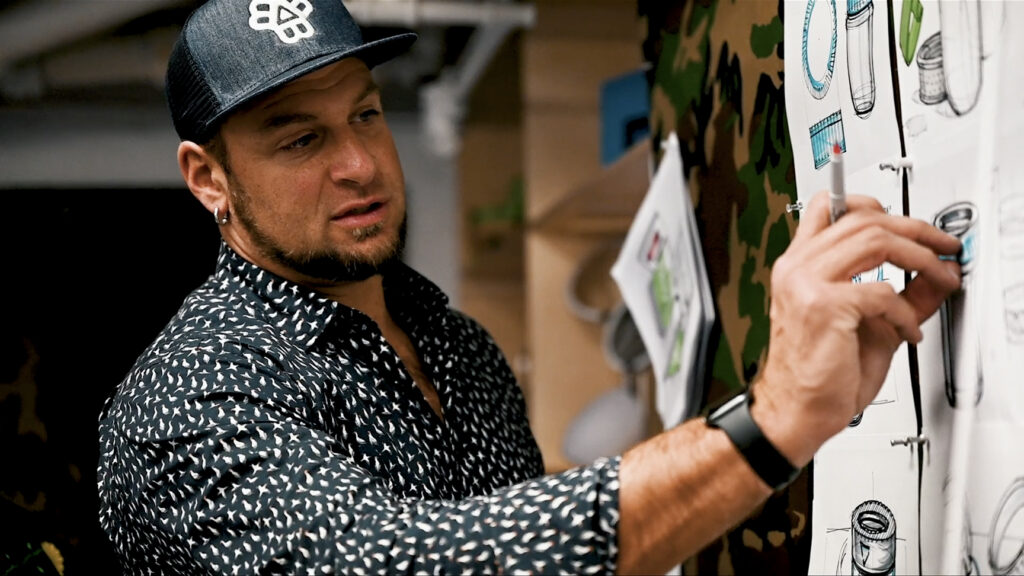
The team presented during the sales process is not always the team that performs the work. Ask who will lead the program, which disciplines will be involved, and how those specialists collaborate throughout development.
Questions to ask include:
- Who is accountable for maintaining the overall product vision?
- Who leads the day-to-day program?
- Which disciplines will be involved?
- Which capabilities are internal versus external?
- How do design, engineering, research, and launch teams work together?
- Will the core team remain consistent as the project progresses?
What Does Their Process Look Like?
A mature firm should be able to explain both its process and how decisions move through it. Product development is iterative, so the goal is not to follow a rigid sequence. It is to create enough structure that user needs, design intent, technical requirements, testing feedback, and business objectives remain aligned as the product evolves.
Look for:
- Clear phases and milestones throughout the development process
- Defined decision points and criteria for moving forward
- Specific deliverables and responsibilities at each stage
- A process for incorporating research and testing feedback
- Clear communication and review points between the client and development team
- Flexibility to adapt when research changes an assumption, testing reveals a problem, or engineering constraints require the product direction to evolve
Can They Connect Product Development To Go-To-Market?
A product can be technically successful and still be difficult to understand, position, or sell. The strongest development partners think about how the product will ultimately be experienced and communicated while the product itself is still being developed.
User insights should influence the product proposition. The product’s form, features, and experience should reinforce that proposition. Visualization, branding, packaging, digital experiences, and launch content should then communicate those same benefits clearly to customers.
When these disciplines develop together, the product itself becomes the foundation of the go-to-market story rather than something handed to marketing after engineering is complete.
Questions to ask include:
- How do user insights influence product positioning?
- How will the product’s most important features be communicated?
- Can visualization begin before physical production?
- Can the team support packaging, ecommerce, digital experiences, and launch assets?
- How does the product story remain consistent from concept through commercialization?
- Can launch requirements influence product decisions early enough to matter?
How Do They Handle Communication And Collaboration?
Product development involves continual decisions across strategy, design, engineering, testing, suppliers, and commercial teams. Communication needs to preserve alignment across those disciplines, not simply provide project-status updates.
Ask how the team manages:
- Project schedules and priorities
- Design reviews and approvals
- Key decisions and open issues
- Changes in requirements
- Cross-functional alignment
- Scope changes
- File and version management
- Communication between product and go-to-market teams
How Far Can They Support You Toward Production?
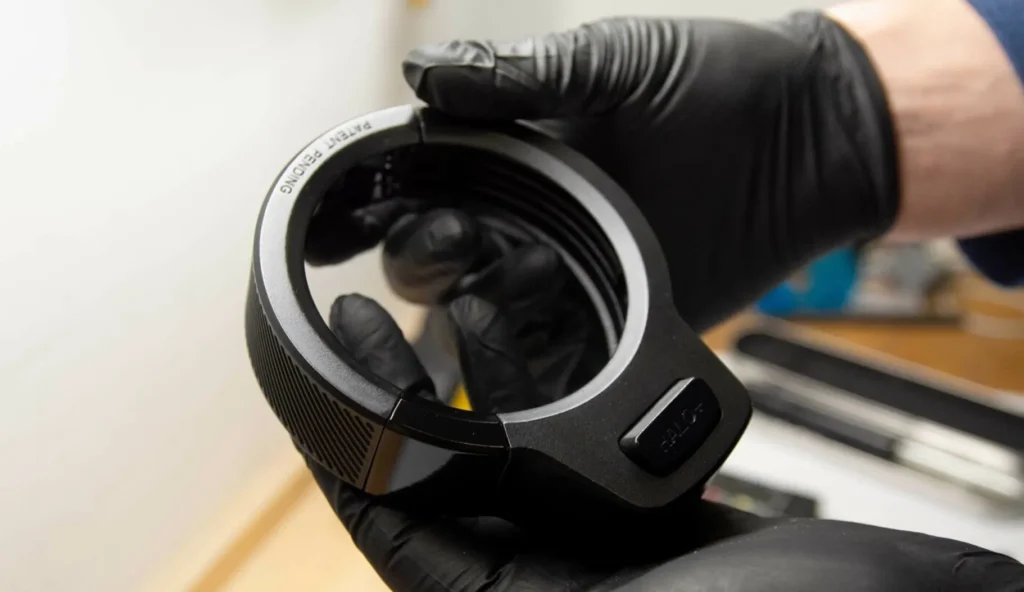
“Manufacturing support” can mean very different things. Some firms stop at design handoff, while others support Design for Manufacturing (DFM), engineering refinement, supplier collaboration, tooling, validation, and production ramp-up.
Determine how far you need the development partner to remain involved and where responsibility formally transfers to your internal team or manufacturing partners.
Then ask:
- Do they support DFM?
- Can they collaborate directly with manufacturers?
- Can they support prototype and validation builds?
- Do they participate in tooling reviews?
- Can they support EVT, DVT, or PVT when appropriate?
- Where does their responsibility end?
What Is Their Pricing And Engagement Model?
Product design and development firms typically price projects in one of a few ways: fixed-fee by phase, hourly/time-and-materials, or a hybrid model. The billing model matters less than understanding what the estimate assumes. Product development contains uncertainty, so buyers should understand what is included, what is excluded, how iterations are handled, what triggers a scope change, and how third-party costs are managed.
Questions to ask include:
- What assumptions is the estimate based on?
- What is included in each phase?
- How are iterations handled?
- What triggers a change order?
- How are prototype and testing costs treated?
- Are third-party expenses marked up?
- How are changes communicated and approved?
Who Owns The Work And Intellectual Property?
Ownership should be clear before development begins. Agreements should define ownership of final deliverables, CAD, research, prototypes, design files, and any pre-existing intellectual property used by the firm.
Questions to ask include:
- When does ownership transfer?
- Will you receive editable source files?
- What intellectual property does the firm retain?
- How is confidential information handled?
- Are outside specialists bound by equivalent confidentiality requirements?
- Can the firm publicly share the work?
Will They Challenge Your Assumptions?
A strong development partner should not simply execute the initial brief. User needs, features, cost targets, technical assumptions, manufacturing approaches, and even the original product proposition may change as new information emerges.
Look for:
- A team willing to identify risks and surface potential issues early
- Clear explanations of tradeoffs and their implications for the product
- Recommendations for alternative approaches when the original direction is not the best solution
- A willingness to adapt based on research, testing, engineering constraints, or new information
- Partners who challenge assumptions constructively rather than simply executing the initial brief
How To Evaluate A Product Design & Development Firm
The best product development firm is not necessarily the one with the largest team, the broadest service list, or the most recognizable portfolio. It is the partner whose capabilities, process, and working model best match the risks and opportunities your program needs to address.
What To Look For
- Starts with the user, market, and business opportunity
- Clearly defined roles, phases, deliverables, and decision points
- Relevant experience solving similar product problems
- Evidence of products successfully reaching market
- Integrates design, engineering, and validation effectively
- Connects product decisions to positioning, storytelling, and launch
- Challenges assumptions and explains tradeoffs
- Provides transparent estimates and scope management
- Maintains continuity across disciplines as the product develops
- Can adapt the process as new information emerges
Red Flags To Watch For
- An unclear process, with ambiguous responsibilities or deliverables
- Little effort to understand the user or business opportunity
- An unwillingness to challenge assumptions or discuss tradeoffs
- Product development treated separately from commercialization
- Unrealistically precise schedules before major unknowns are understood
- Estimates with unclear assumptions or exclusions
- Limited visibility into who performs the work
- No clear explanation of where responsibility ends
- Poor follow-through during the sales process
How Sprout Approaches Product Design & Development
Sprout approaches product development as an integrated path from user insight through market launch.
Research and strategy help establish what matters to the customer and where the opportunity exists. Industrial design and engineering translate those insights into the product experience. Visualization, branding, packaging, and digital design translate that product experience into a cohesive story across the customer journey.
Because these capabilities can work together throughout development, launch thinking does not need to wait until the product is finished. Teams can begin evaluating how features will be demonstrated, how the product should be positioned, how customers will experience it, and how the story will translate across packaging, ecommerce, sales tools, digital experiences, and marketing while the product itself is still evolving.
The result is greater continuity between the original user need, the product that gets developed, and the story customers ultimately experience in market.
Some clients engage Sprout around a specific development challenge, while others use our multidisciplinary team across a broader program. In either case, the work is structured around the user, the product opportunity, the development risks, and what ultimately needs to happen for the product to succeed in market.
Evaluating a new product development program? Sprout can help define the opportunity, identify the critical development decisions, and connect product strategy, design, engineering, validation, and go-to-market thinking from the beginning.
→ Contact Sprout to talk through your product opportunity, development needs, and where an integrated approach could add value.