Packaging design does not begin with colors, graphics, or dielines. It begins with the decisions that determine whether the package will succeed in the market.
Product positioning, customer expectations, competitive context, channel requirements, manufacturing, and fulfillment all shape what the package needs to accomplish. Defining those factors early creates a stronger foundation for every design decision that follows.
Packaging is not simply a visual asset. It is part of the product and a critical business tool, influencing how products are understood, purchased, protected, produced, shipped, and scaled.
We approach packaging as a connected process at Sprout, bringing together strategy, structural packaging design, graphic packaging design, and production planning. The goal is not simply to create a package that looks good. It is to build a packaging system that performs across the entire product lifecycle.
Note: The timelines below represent typical project ranges. Actual schedules can vary based on packaging complexity, testing requirements, materials, tooling, suppliers, regulatory requirements, and production volume.
Step 1: Define The Product Strategy
Typical timeline: 1–4 weeks
Before packaging decisions are made, the product strategy needs to be clear: What are we selling, who are we selling it to, what alternatives are we competing against, and why should a customer choose it?
Packaging is an extension of the product strategy. Without a clear understanding of positioning, audience, price point, competitive landscape, and channel expectations, design decisions become subjective rather than strategic.
This stage typically includes:
- Understanding the target customer
- Defining product positioning
- Evaluating competitors and category trends
- Identifying opportunities for differentiation
- Understanding retail, ecommerce, and channel requirements
Key questions include:
- What should shoppers understand immediately?
- Why should someone choose this product over alternatives?
- What role does packaging play in the overall customer experience?
This strategic foundation informs every stage that follows. By understanding the business goals behind a product, we can create packaging that is designed not only to look compelling, but to perform in-market.
Step 2: Build The Packaging Strategy
Typical timeline: 2–6 weeks
Once the product strategy is defined, packaging strategy translates that business direction into specific requirements for the package. What must the packaging communicate, protect, organize, differentiate, and enable in order for the product strategy to succeed?
Packaging strategy establishes the system for how a product will communicate and perform across retail, ecommerce, fulfillment, and the broader portfolio. It defines what customers need to understand, how SKUs should relate to one another, and where packaging can create meaningful differentiation.
This stage may include:
- Brand and messaging hierarchy
- Information hierarchy
- Shelf positioning
- Ecommerce considerations
- Packaging architecture
- SKU and variant strategy
- Sustainability goals
For brands with multiple products or future expansion plans, this step is especially important. A strong packaging strategy creates consistency across a portfolio while allowing room for growth.
Step 3: Structural Packaging Design
Typical timeline: 2–4 weeks, depending on complexity
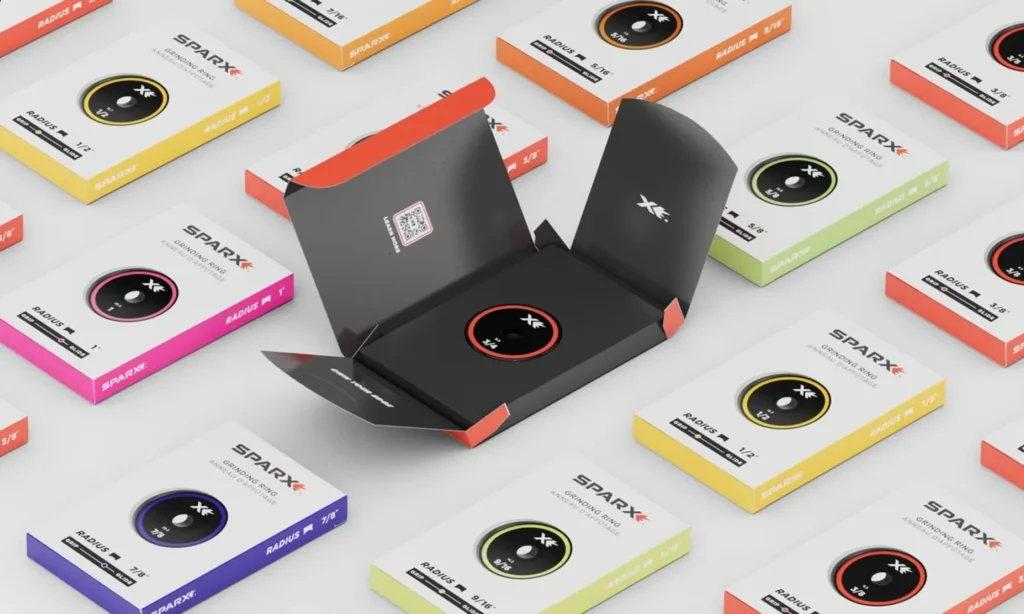
Structural packaging design defines how the package physically contains, protects, presents, and delivers the product. It establishes the form, dimensions, materials, openings, internal components, product retention, graphic surfaces, and overall interaction with the user.
This includes decisions around:
- Package architecture, shape, and form
- Product protection and component retention
- Materials and material efficiency
- Internal structures, inserts, and components
- Manufacturing and assembly methods
- Tooling and production implications
- Shipping, fulfillment, and dimensional efficiency
- Retail display and merchandising requirements
- Sustainability considerations
- Opening, unboxing, and overall user experience
Good structural packaging does more than create an interesting form. It balances customer experience with material use, protection, assembly, shipping, cost, manufacturability, and scalability. A design that cannot move efficiently through production and fulfillment is not a successful packaging solution.
Our team focuses on developing packaging structures that consider both the consumer experience and the realities of production, ensuring the final design can move successfully from concept into manufacturing.
Step 4: Graphic Packaging Design
Typical timeline: 2–4 weeks
Graphic packaging design translates the brand and product strategy into a clear visual communication system. Structural and graphic design often evolve together, but the physical package ultimately defines the canvas and constraints the visual system must work within.
This stage focuses on how shoppers recognize, understand, and connect with the product. It includes:
- Brand expression
- Typography
- Color systems
- Photography and illustration
- Messaging hierarchy
- Claims and supporting information
- Regulatory requirements
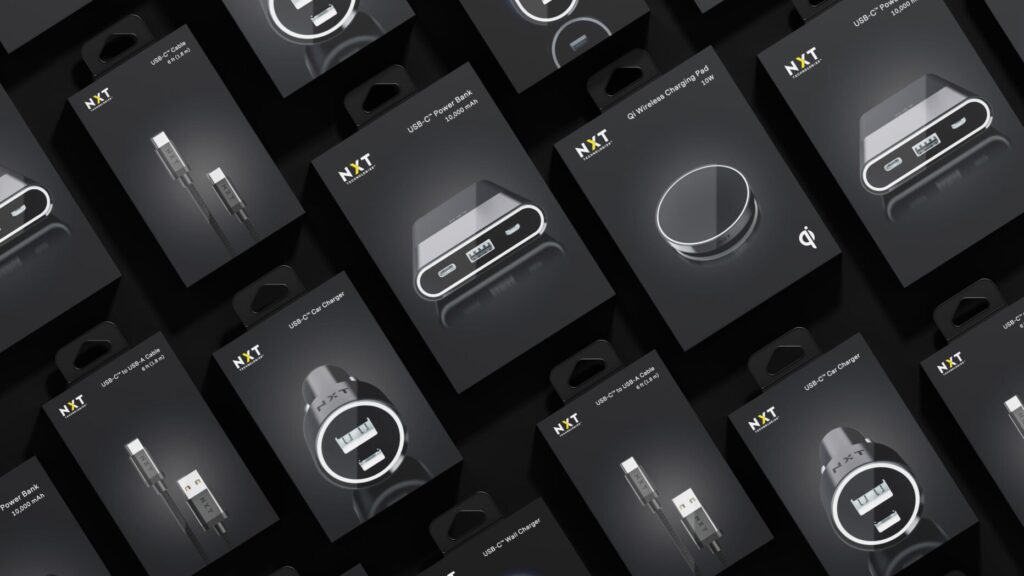
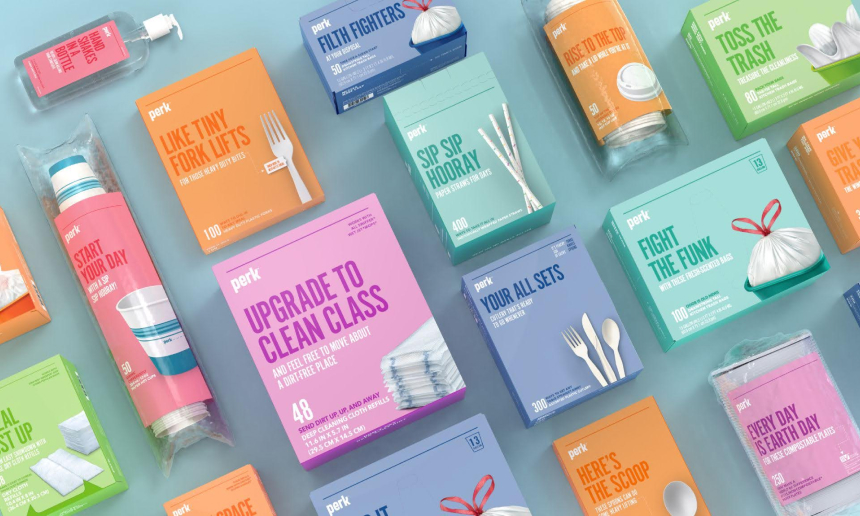
- Visual systems across SKUs
Strong graphic packaging design is not just about aesthetics. It is about creating clarity, communicating value, and helping products compete in crowded environments.
One useful framework is the 20-10-5-1 Rule:
- 20 feet: Attention. Does it stand out?
- 10 feet: Recognition. Are the brand and category clear?
- 5 feet: Navigation. Can the shopper quickly identify the right product or variant?
- 1 foot: Conversion. Does the information and experience support the purchase decision?
Strong graphic systems improve visibility, navigation, differentiation, and recognition across both physical and digital shelves.
At Sprout, the visual system and physical package typically evolve together. This integrated approach helps ensure the final design is both compelling for consumers and practical for production.
Step 5: Prototype, Test & Validate
Typical timeline: 2–8 weeks, often occurring throughout design development
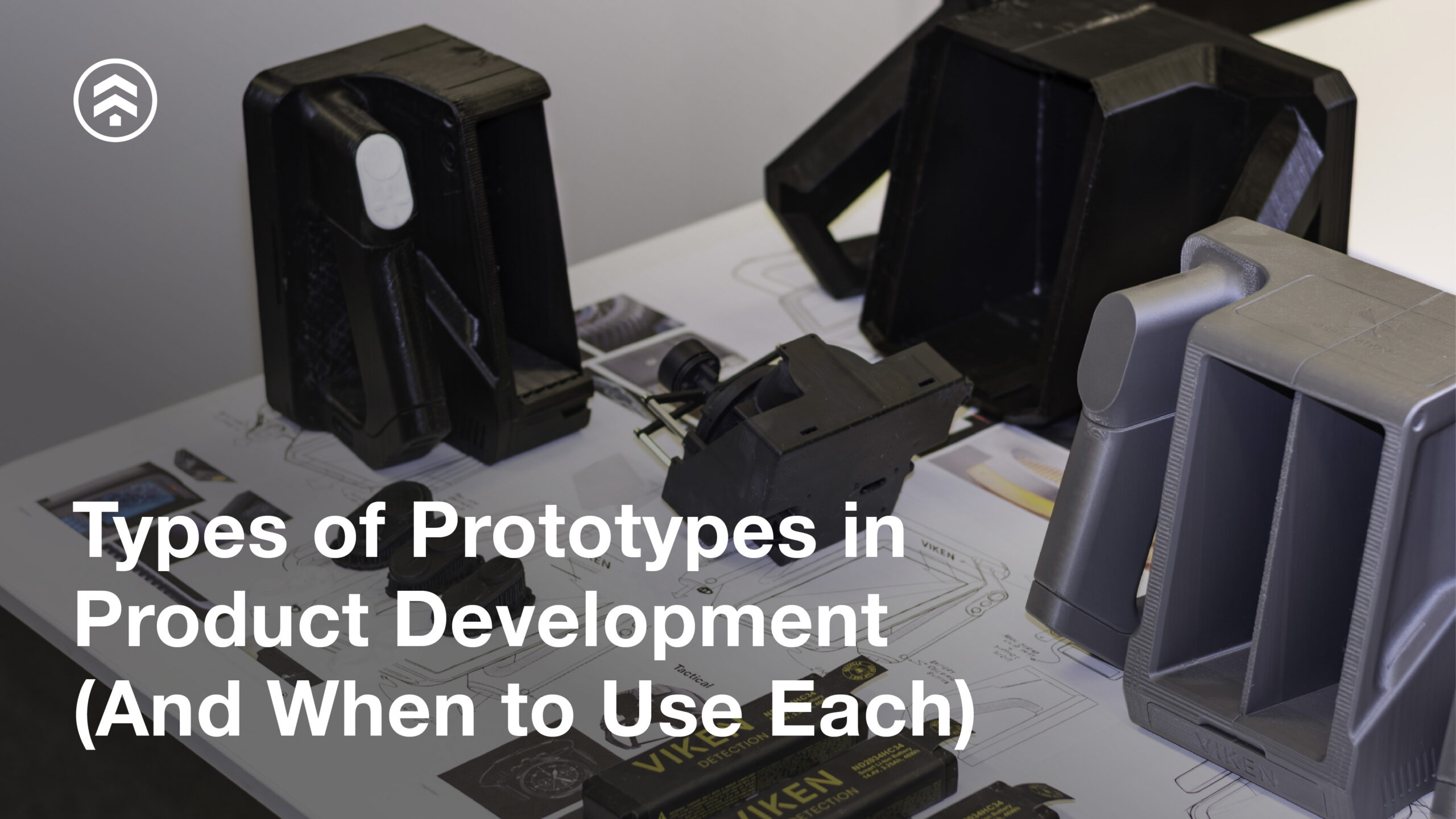
Packaging should be tested before expensive decisions become difficult to reverse. As concepts evolve, teams need to evaluate how the package looks, functions, communicates, ships, and performs in real-world conditions. Prototypes help identify opportunities, uncover challenges, and refine decisions before larger investments are made in tooling, materials, or production.
Depending on the project, validation may include:
Physical prototypes:
- Structural mockups to evaluate form, size, and functionality
- Print samples to review color, finishes, and material performance
- Functional prototypes to test opening experiences, durability, and usability
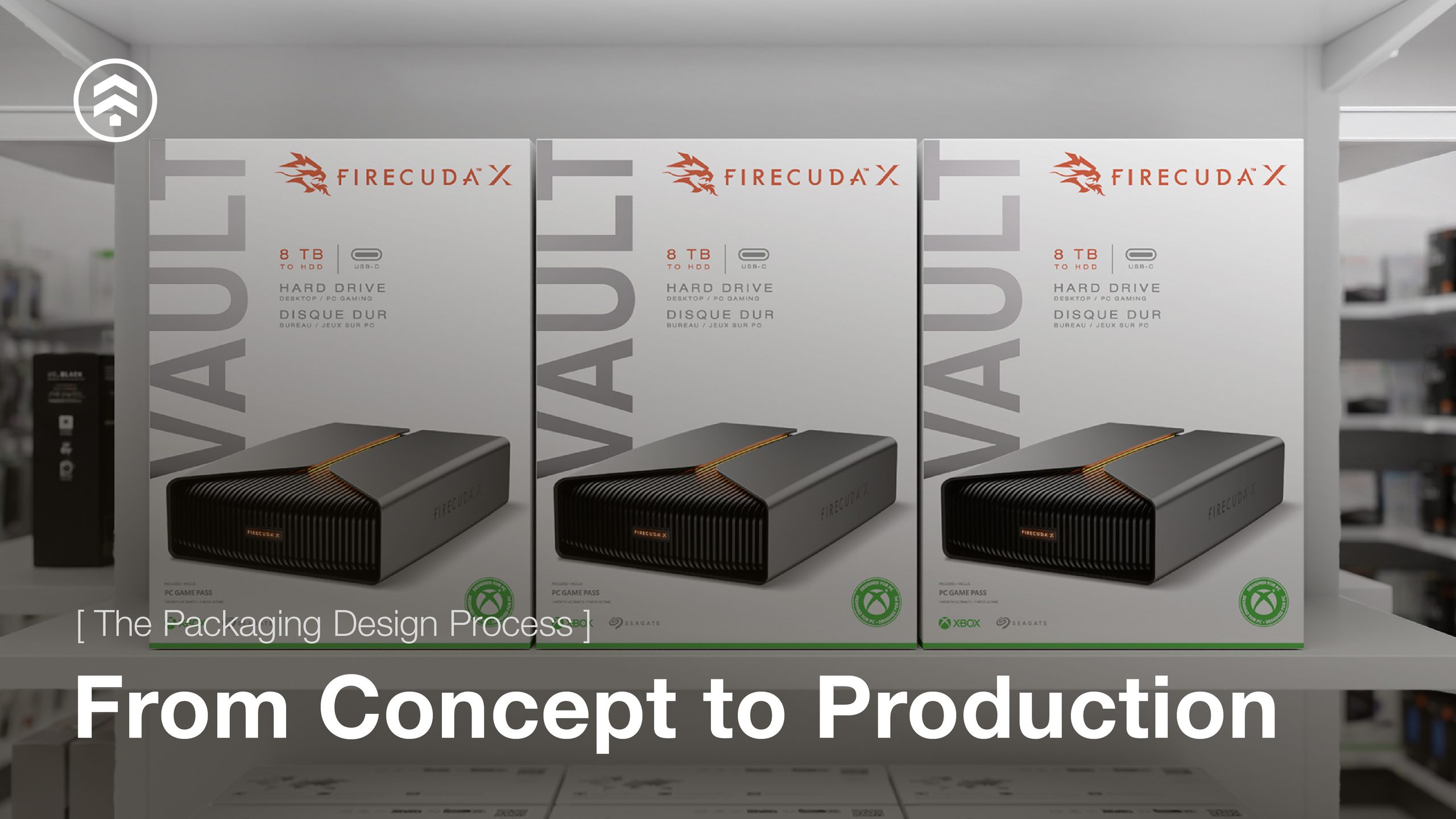
- Shelf evaluations to understand visibility and shopper interaction
Digital prototypes:
- 3D packaging models
- CGI renderings
- Material and finish visualization
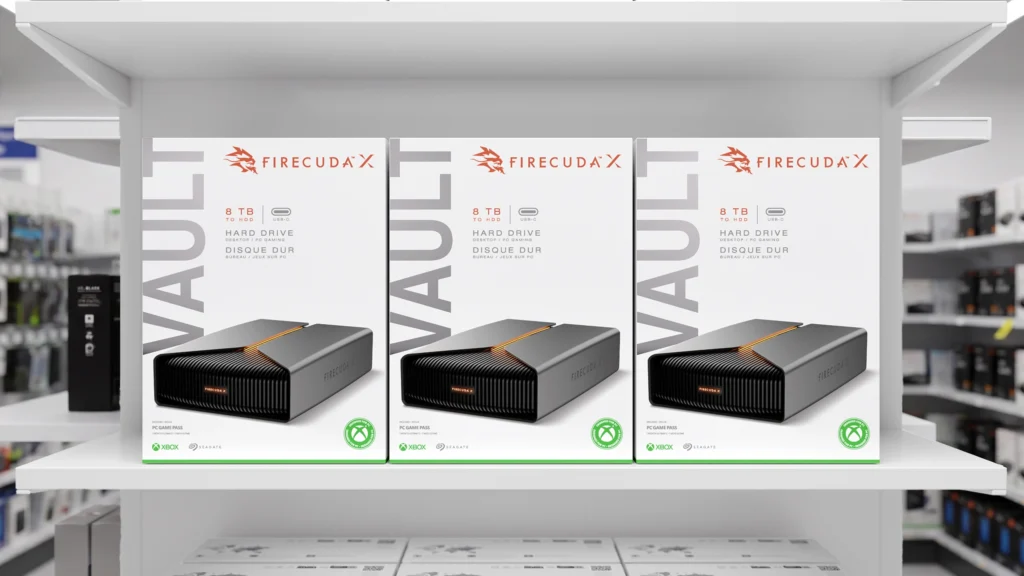
- Digital shelf simulations
- Ecommerce imagery and product presentation
Physical and digital prototypes allow teams to evaluate different risks before committing to tooling or production. Structural prototypes can validate fit and function, while CGI and digital shelf simulations can evaluate materials, finishes, shelf presence, portfolio consistency, and ecommerce presentation.
Validating these decisions earlier reduces downstream changes and gives teams greater confidence before larger production investments are made.
Step 6: Production Development & Launch
Typical timeline: Varies based on manufacturing process, materials, tooling, supplier, and volume
Once the packaging system has been validated, the design moves into production development. This stage translates the approved concept into the specifications, artwork, materials, processes, and quality standards required for consistent manufacturing.
Key activities may include:
- Final production specifications
- Final artwork and dielines
- Material and finish confirmation
- Supplier coordination
- Print and production reviews
- Pre-production samples
- Quality control standards
- Final approvals
This is where design intent becomes a repeatable manufactured product. Strong coordination between designers, suppliers, and production partners helps reduce rework and ensures the final package remains aligned with the approved design.
Why Structural And Graphic Packaging Design Work Better Together
Consumers do not experience structural packaging and graphic packaging separately. They experience them simultaneously.
When developed together, teams can create better user experiences, stronger shelf impact, lower production friction, and more consistent brand systems.
This is where a multidisciplinary packaging team creates significant value. Our industrial designers can address structure and product interaction while graphic designers develop the communication system, retail specialists consider the shopping environment, and visualization teams evaluate the package before production. Instead of solving each problem independently, the disciplines inform one another throughout the development process at Sprout.
Great Packaging Is A System
Great packaging is a system. Strategy defines what the package needs to accomplish, structural design determines how it performs, graphic design determines how it communicates, and validation and production development ensure the idea can succeed at scale.
These disciplines are developed together at Sprout, allowing product strategy, structural packaging, graphic design, visualization, and production requirements to inform one another from the beginning.
Planning a new product launch or packaging redesign? Sprout can help define the strategy, structure, and visual system before costly production decisions are made. Connect with our team to start the conversation.