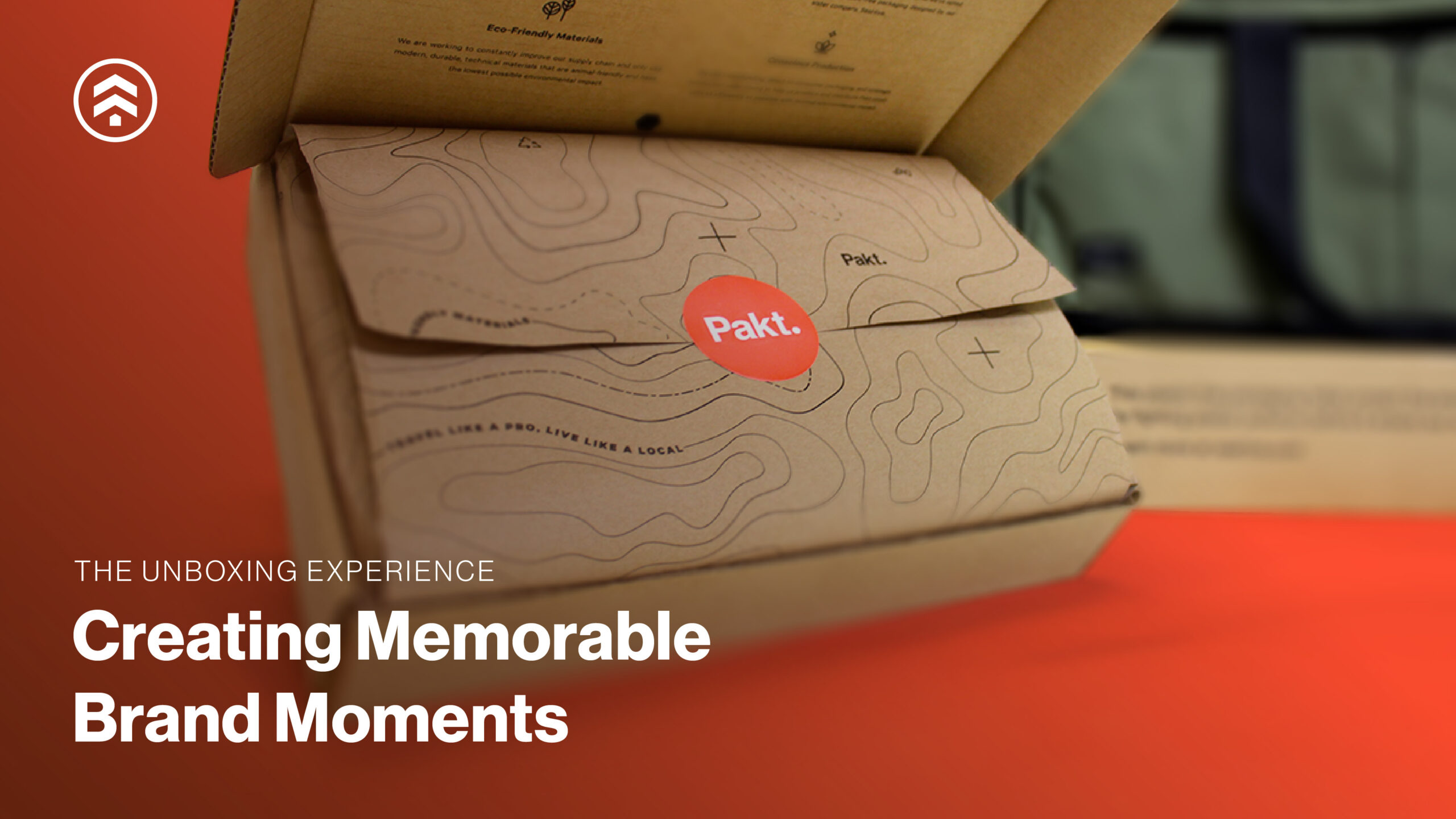
Packaging design plays a critical role in shaping a customer’s first impression of a product and the brand behind it. The unboxing experience is more than just opening a box—it’s a key touchpoint in the customer journey that can drive excitement, emotional connection, social sharing, and long-term brand loyalty.
As creator culture continues to grow, brands are increasingly using packaging design as a strategic tool to create memorable brand moments.
In this blog, we’ll explore the rise of unboxing culture, why the unboxing experience matters, and the packaging design strategies that help brands stand out in a crowded market.
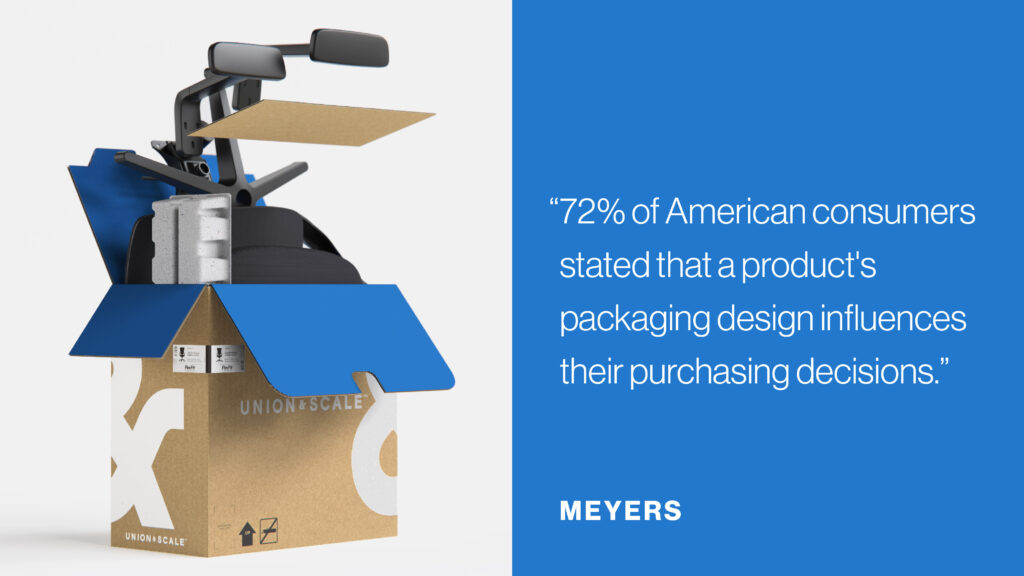
The Rise of ‘Unboxing Culture’
Unboxing videos have exploded across platforms like YouTube, Instagram, and TikTok, creating a whole new category of content that consumers crave. These videos showcase individuals opening packages, offering a sense of anticipation, excitement, and discovery that resonates with viewers. With billions of views each year, unboxing content has become a powerful form of organic brand marketing.
The popularity of unboxing culture reflects a broader shift in consumer behavior. Customers aren’t just buying products, they’re seeking experiences. They want to feel connected to the brands they support and emotionally invested in what they purchase.
This creates a major opportunity for brands. When customers share their unboxing moments online, they become brand advocates, extending reach and credibility far beyond traditional advertising. A thoughtfully designed unboxing experience can showcase the product, reinforce brand values, and generate authentic, shareable content that lives well beyond the point of sale.
The Impact of an Exceptional Unboxing Experience
A well-designed unboxing experience can directly influence customer satisfaction, brand perception, and repeat purchases. When a customer feels delighted and considered at the moment of unboxing, that positive emotion becomes associated with the brand itself—not just the product.
Beyond customer experience, unboxing also functions as a marketing channel. Social sharing turns packaging into media, increasing brand visibility and strengthening community around the product. This creates a feedback loop: great experiences lead to shares, shares drive awareness, and awareness drives new customers.
Brands that invest in thoughtful packaging design understand that unboxing isn’t just presentation. It’s also a strategic brand touchpoint that supports loyalty, differentiation, and long-term growth.
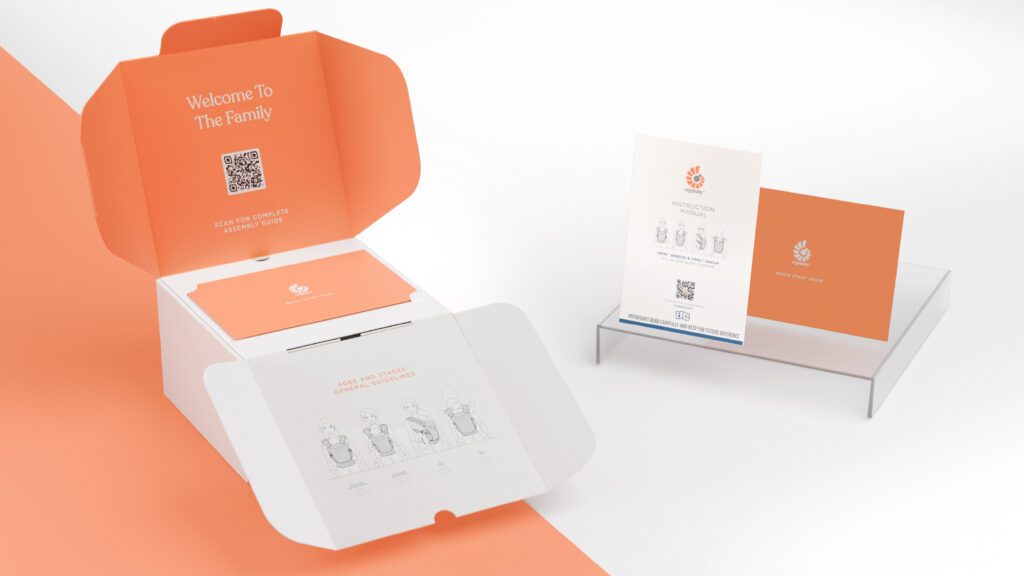
Strategies for Designing an Engaging Unboxing Experience
The unboxing experience is often the first physical interaction a consumer has with a brand. This critical moment serves as a direct introduction to what the brand stands for and can set the tone for the entire customer journey.
Thoughtfully designed packaging has the power to enhance the perception of value and communicate the brand’s identity in a tangible, compelling way. Whether through custom structures, sustainable materials, or vibrant design elements, packaging offers a canvas for creativity that mirrors the brand’s essence.
Build Anticipation with Thoughtful Design
The excitement of unboxing begins even before the package is opened. From the moment the consumer sees the packaging on a store shelf or receives it in the mail, it should spark curiosity and anticipation.
Packaging that is aesthetically pleasing, functional, and thoughtfully designed builds excitement long before the product is revealed. Visual elements like color, texture, form, and material choice all contribute to this sense of anticipation and perceived value.
Tell a Story Through Packaging
Packaging is a powerful storytelling tool. Each element—whether it’s the material choices, color palette, or a simple phrase on the packaging—can communicate a brand’s core values and message.
Brands that highlight craftsmanship might include a story about the product’s origin story, such as a card detailing the artisan techniques used to handcraft the product or a QR code linking to a behind-the-scenes video of the process. Others that emphasize sustainability may include information about the company’s commitment to eco-friendly practices, such as a message explaining the use of recycled materials or instructions for how to recycle or reuse the packaging. When these elements work together, they deepen emotional connection and brand recall.
Incorporate Sensory Elements
Great unboxing experiences engage more than just sight. The feel of materials, the sound of opening, or even subtle scent cues can make the experience more immersive and memorable. These sensory details help create stronger emotional associations and increase the chances customers remember—and talk about—your brand.
Focus on Ease of Use and Practicality
A beautiful package still needs to function well. The unboxing process should feel seamless and enjoyable, with packaging that’s easy to open, protective, and intuitive. Overly complicated or frustrating designs can undermine the experience. Features like magnetic closures, tear strips, or well-organized inserts can make the unboxing process feel effortless and premium at the same time.
Encourage Social Sharing
Unboxing has become a social experience. Brands can support this by designing packaging that feels “share-worthy,” whether through bold visuals, clever details, or interactive elements. Including branded hashtags, QR codes, or prompts to share can turn customers into active participants in your brand’s marketing ecosystem.
When consumers feel that they are part of an exclusive community or experience, they are more likely to spread the word and become brand advocates.
Future Trends in Unboxing: AR, Personalization, and Sustainable Packaging
As technology and consumer expectations evolve, the unboxing experience continues to change. Several trends are shaping the future of packaging design, making unboxing more interactive, more personal, and more responsible.
Augmented Reality (AR)
AR-enabled packaging allows brands to extend the unboxing experience into the digital world. A simple graphic or code can unlock product demos, tutorials, or behind-the-scenes content, adding a new layer of engagement that goes beyond physical design.
Innovations in Sustainable Materials
Sustainability is increasingly influencing the way brands approach packaging, and this trend will only grow stronger. Biodegradable, compostable, and reusable packaging solutions are becoming more common, along with innovative materials that support both performance and environmental goals.
Brands are experimenting with new materials such as mushroom-based packaging or ocean-plastic solutions, which not only minimize environmental harm but also provide a compelling story that resonates with eco-conscious consumers. As sustainability becomes an expectation, brands that integrate green practices into their unboxing experience will attract loyal customers who value ethical consumption.
Personalization at Scale
Advances in data and AI are making it easier for brands to personalize packaging and inserts at scale. From custom messages to tailored content based on customer behavior, personalized unboxing experiences can make customers feel seen, valued, and more connected to the brand—driving loyalty and repeat purchases.
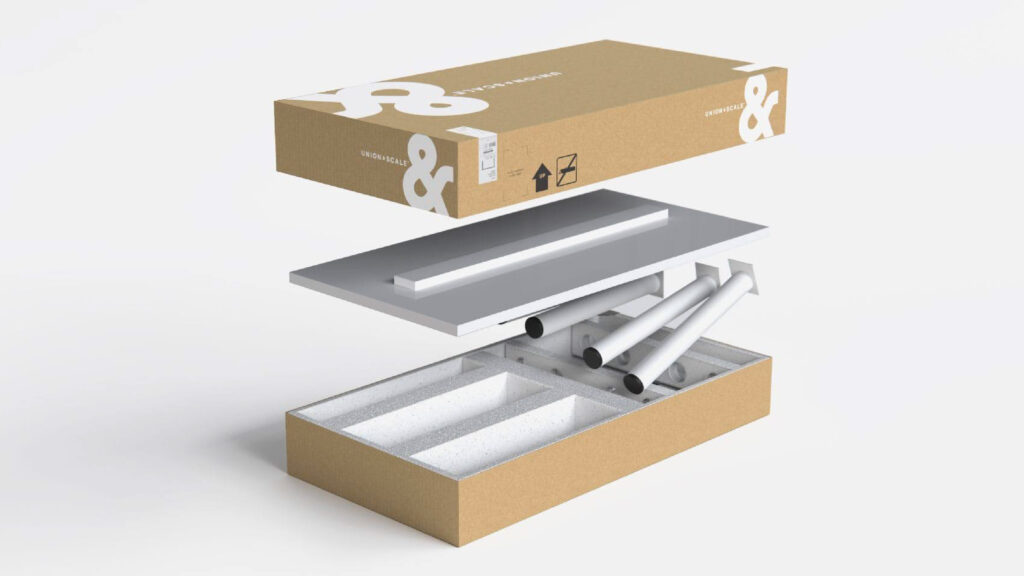
Crafting Memorable Unboxing Moments That Build Your Brand
The unboxing experience has evolved into a strategic extension of brand identity. When done well, it builds anticipation, creates emotional connection, and turns customers into advocates.
In a world where first impressions are often shared online, packaging is not just a container—it’s a stage for storytelling. Thoughtful details, from the opening sequence to the materials and finishes, can elevate a product and reinforce what a brand stands for. When experience and design align, unboxing becomes a moment that’s not only memorable, but also shareable and brand-defining.
Ready to elevate your brand’s unboxing experience? Sprout Studios is a Boston-based design and innovation agency specializing in product packaging design.