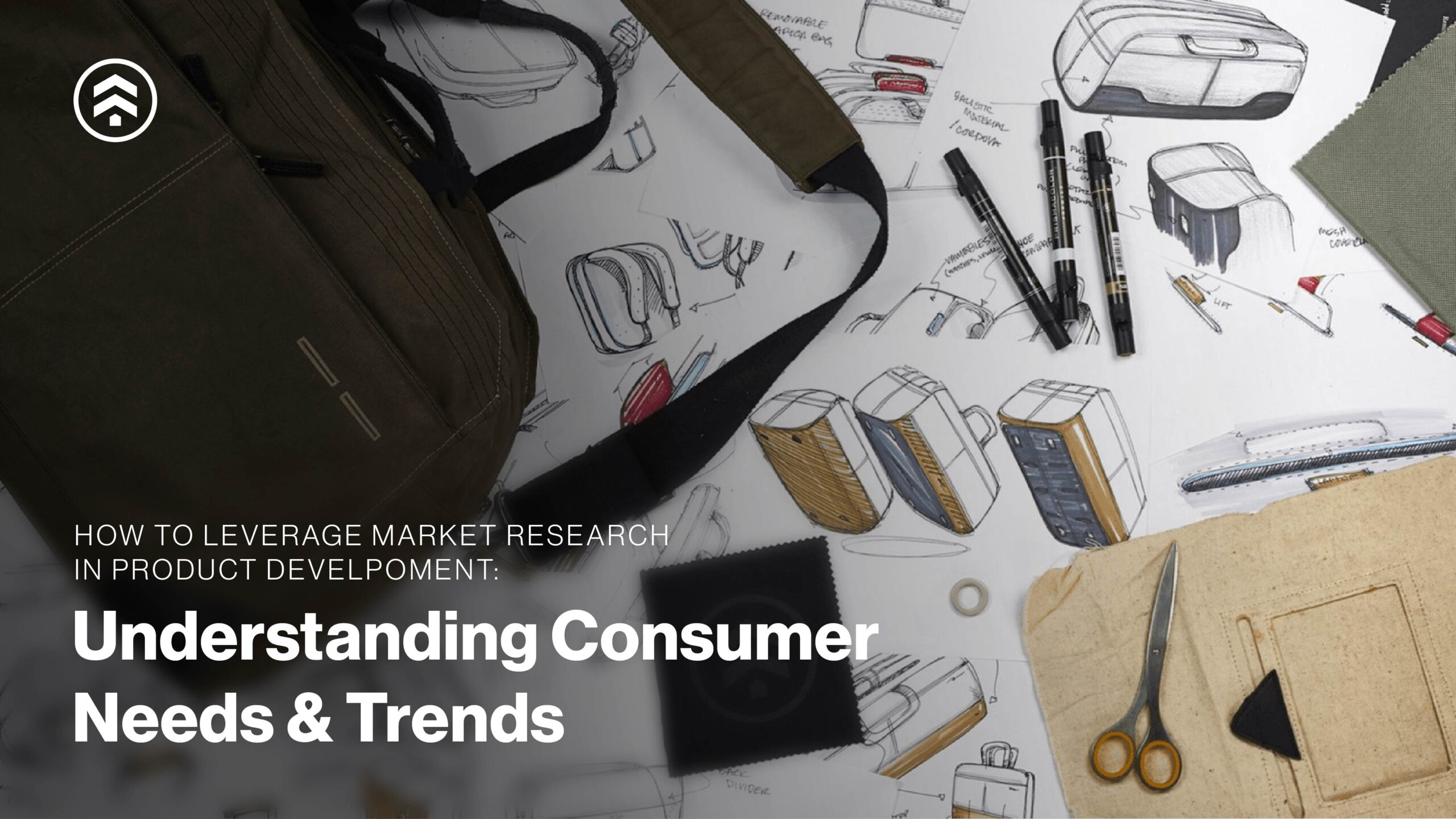
Developing a product requires a strategic, research-driven approach.
At Sprout Studios, we leverage research to uncover consumer needs, analyze market trends, and inform a user-focused development process.
In this article, our product team breaks down types of market research, how to identify real consumer needs, and how to translate those insights.

Types of Market Research in Product Development
Primary and Secondary Research
Our product design team begins by conducting primary research to gather insights directly from target consumers. Through surveys, interviews, and focus groups, we pinpoint specific consumer needs, gaining valuable insights into their behaviors and perspectives. By engaging with consumers firsthand, we develop a design template that aligns seamlessly with their requirements. This approach eliminates guesswork in product development and establishes a clear foundation for our initial design and its functionality.
Secondary research adds a further layer to this process. We analyze existing data, surveys, and reports, which collectively provide a comprehensive view of the consumer landscape and the market. While primary research is invaluable, secondary research adds essential context, filling in any gaps. Combining primary and secondary research forms a robust framework for our designs, enabling us to create truly user-centric products from the outset.
Qualitative vs. Quantitative Research
Within the framework of primary and secondary research lie two essential methodologies: qualitative and quantitative research. Qualitative research delves into consumer behaviors through interviews and focus groups, revealing the motivations that drive their everyday choices. This approach uncovers the intricacies of the consumer experience, including their thoughts and feelings.
Quantitative research, on the other hand, delivers numerical and data-driven insights about consumers. This type of research encompasses spending habits, statistical estimates, and concrete data on user preferences and trends. Together, qualitative and quantitative research provide a holistic understanding of how consumers think and feel, rather than examining these aspects in isolation.
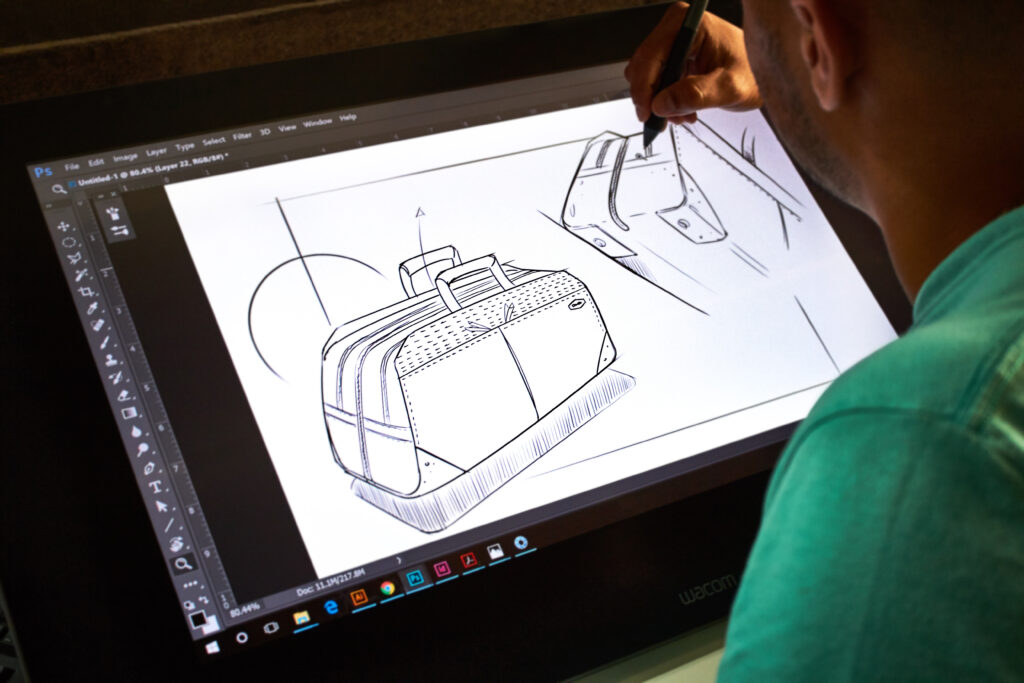
Identifying Consumer Needs
Understanding the Target Audience
No two consumers are alike. While there may be overlaps in their wants and needs for a product, identifying commonalities among them shapes design strategy. Factors such as age, income, gender, location, and lifestyle are important demographic data points to define the target audience effectively.
Beyond demographics, it’s crucial to understand the buying behaviors of your target audience. Age and income tell you who might buy something. They don’t tell you why they’d choose it over what’s already on the shelf.
Pain Points and Unmet Needs
A key aspect of product development is identifying how existing products fail to meet consumer needs. These pain points, which can range from functionality to design, provide valuable insights for innovation. Capitalizing on these pain points and unmet needs allows products to differentiate themselves from competitors, foster brand loyalty, and enhance consumer satisfaction.
One example is the Pillar Pro Deck System we developed for YARDHAUS. Consumers reported significant challenges when hanging outdoor string lights, typically resulting in labor-intensive DIY projects with no straightforward solutions. Recognizing these pain points, the team designed an easy-to-assemble, versatile light-hanging system at a competitive price point.
Consumer Preferences and Desires
Great product design creates products that are as visually appealing as they are functional. Consumers often have specific ideas about the appearance of their desired products, influenced by demographics, lifestyle, and personal values. In new product development, it’s the designer’s responsibility to align with these preferences, transforming a satisfactory product into one that truly resonates with the consumer.
Leveraging insights into consumer preferences and desires means designing products that go beyond mere functionality. From color to material selection, such as the use of sustainable materials for environmentally conscious consumers, products can reflect the lifestyles and values of the target audience.
The best product opportunities are usually hiding in a frustration nobody’s bothered to fix. Hanging string lights sounds simple until you’re the one doing it. We designed the Pillar Pro system around that exact moment of frustration, and it’s why customers responded to it the way they did.
— Matthew Bettencourt, Director of Industrial Design at Sprout Studios

Analyzing Market Trends in Product Design
Current Market Landscape and Predicting Future Trends
Predicting future trends begins with a thorough analysis of the current market landscape. This involves observing existing patterns, consumer behaviors, and emerging technologies to forecast potential developments. Factors such as economic conditions, cultural shifts, and evolving market trends offer valuable insights into the market’s trajectory. Analyzing these trends today helps designers anticipate future directions for similar products, ensuring they’re well-equipped for what lies ahead.
Competitive Analysis
By analyzing competitors’ products, marketing strategies, and design approaches, designers can identify consumer needs and potential areas for innovation. When existing products fail to address consumer pain points, there’s an opportunity to develop new solutions that fill that gap. Sprout’s product design team evaluates current products alongside consumer research to generate innovative ideas that address unmet needs and enhance the overall user experience.

Best Practices for Market Research in Product Design
Defining Clear Objectives
Establishing clear objectives is a crucial first step in market research. Defining specific goals ensures that the insights gathered are both relevant and actionable. Without well-defined objectives, research findings can lack focus and fail to provide a comprehensive understanding of consumer needs and preferences. Setting distinct objectives allows design efforts to align closely with research, ensuring teams address not just “a problem,” but rather “THE problem.”
Choosing the Right Research Methods
Quantitative research excels at revealing spending habits and numerical trends, while qualitative research uncovers the underlying motivations and behaviors of consumers.
Primary research offers tailored insights specific to the product being developed, unlike secondary research, which may lack direct relevance. Choosing the right methods helps designers efficiently identify customer needs, streamline the design process, and create products that genuinely resonate with consumers.
Regularly Updating Research
Trends and consumer behaviors evolve rapidly with the influence of social media and commercialization. Market and consumer research can quickly become outdated, even when product demand remains steady. Factors such as changing consumer values and lifestyle shifts can significantly influence purchasing decisions. To stay ahead, designers must continually refine and update their research, ensuring they capture the most current and relevant insights. This commitment to up-to-date research is essential for achieving optimal results and maintaining a competitive edge.
Using Consumer Insights to Drive Product Innovation
Market research is the foundation of effective product development, providing actionable insights into consumer behavior, preferences, and unmet needs. Combining primary research with secondary analysis ensures a data-driven, user-centered product design process that aligns with market trends and fosters innovation. Continually updating research allows teams to anticipate shifts in consumer needs and maintain a competitive edge.
Whether you’re addressing product pain points, refining usability, or exploring emerging opportunities, research is what separates a product that resonates from one that simply exists in the market.
Reach out to our product development team to discuss your next project.