Teams often feel pressure to move quickly from idea to engineering, especially when timelines are tight or market opportunities feel immediate. But for physical products, early decisions carry significant cost. Tooling, materials, manufacturing processes, and supply chain considerations make changes expensive once development is underway.
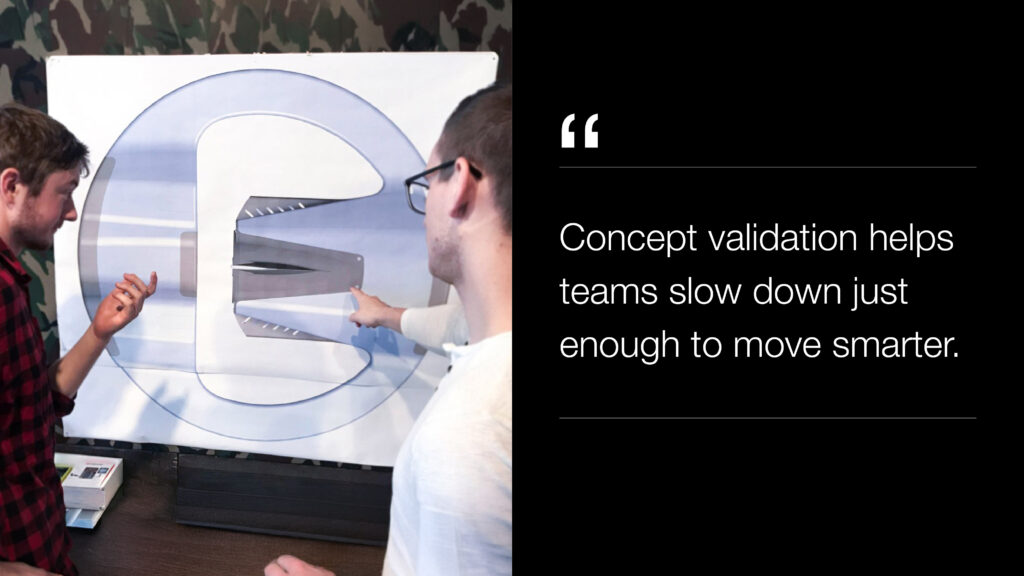
Concept validation helps teams slow down just enough to move smarter.
It allows teams to confirm demand, clarify user needs, pressure-test real-world use cases, and define a more focused minimum viable product (MVP) before engineering begins. Instead of building on assumptions, teams can move forward with greater confidence in both the product and the investment behind it.
At Sprout Studios, concept validation is a critical part of the product development process. The most successful products start with a clear understanding of the problem, the user, and the opportunity before execution begins.
What Concept Validation Means For Physical Products
Concept validation is not about asking people if they like an idea. For physical products, it means testing whether the product solves a real problem, performs as expected, and can be produced effectively.
It’s More Than Validating A Feature
Strong validation looks at the full system, not just a single feature:
- Problem and solution fit
- Target users and use environments
- Core use cases and interactions
- Value proposition and differentiation
- Business viability
- Engineering and manufacturing feasibility
Physical Products Require A Broader Lens
Unlike software, physical products introduce constraints that must be considered early:
- Material selection and durability
- Manufacturing processes and tooling
- Assembly and tolerances
- Commodity costs and labor
- Supply chain and logistics
- Regulatory or compliance requirements
Validation must account for both the user experience and the reality of production. A compelling concept that cannot be engineered or manufactured effectively is not truly viable.
At Sprout Studios, our design process is grounded in real user needs while staying aligned with how products are actually built.
Why Validation Should Happen Before Engineering
Create Alignment Before Development Starts
Validation brings product, design, engineering, and business teams into alignment around what the product needs to do and why it matters.
Build A More Focused MVP
Instead of overbuilding, teams can prioritize the essential features and functions required for the first release.
Increase Confidence In Investment Decisions
Validated concepts make budgeting, forecasting, and development planning more grounded and predictable.
Reduce Expensive Rework
Changes made after engineering begins often require redesign, new tooling, or production delays. Early validation helps teams avoid investing in the wrong direction.
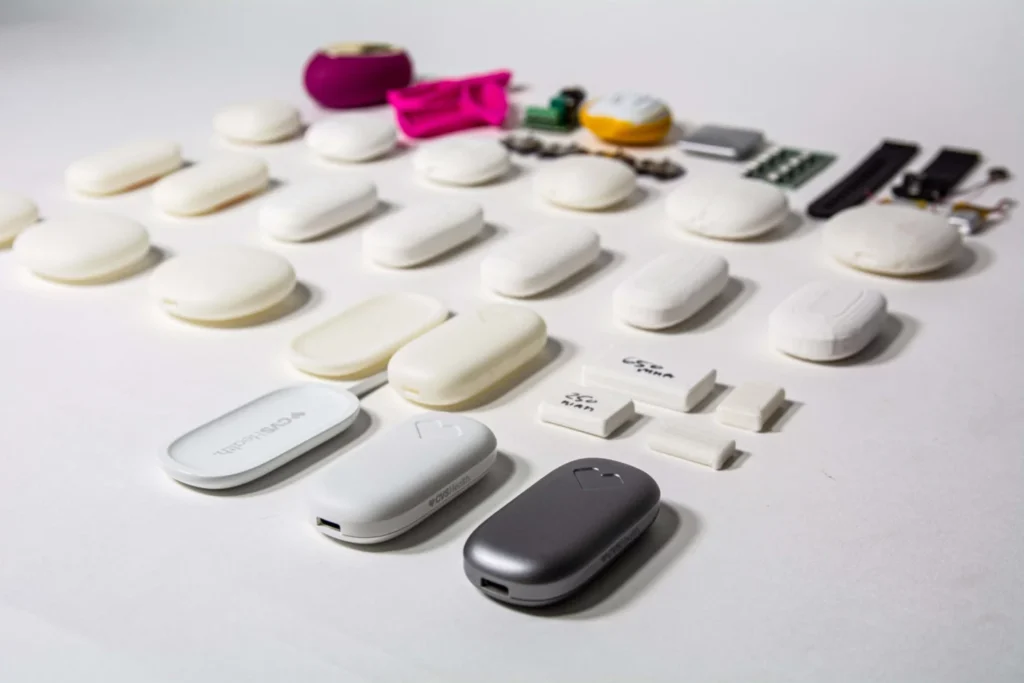
At Sprout, this phase is supported through iterative modeling, prototyping, and testing, ensuring that concepts are refined before they move into engineering.
6 Things To Validate Before Investing In A New Product
1. The problem is real.
Is the need meaningful enough to drive adoption?
Understanding real user pain points ensures the product solves something worth solving.
2. The audience is clearly defined.
Who is the product for? What environments will it be used in?
Clear user definition informs everything from ergonomics to materials and features.
3. The value proposition is compelling.
Why this product, and why now?
A strong value proposition connects user needs with business opportunity and market differentiation.
4. The core uses-cases make sense.
Can users interact with the product intuitively and effectively?
Prototypes and early models help uncover friction before engineering begins.
5. The concept is feasible.
Can the product be engineered and manufactured within existing constraints?
This includes:
- Materials and processes
- Cost targets
- Assembly and scalability
- Technical risks
Close collaboration with engineering ensures the concept is grounded in reality.
6. The first release is focused.
What needs to exist in version one?
Defining a clear MVP prevents scope creep and keeps development efficient.
Methods For Validating A Product Concept
Depending on the product, category, and stage of development, we draw on a range of methods to reduce uncertainty, test assumptions, and build clarity before engineering begins.
User Interviews
We speak directly with target users to understand how they think about the problem today, what workarounds they rely on, and where existing solutions fall short. These conversations often surface gaps that are not visible in internal discussions and help ground early concepts in real-world behavior rather than assumptions.
Concept Testing
Early product concepts are tested to understand whether the core idea resonates. This is not about surface-level preference. It’s about whether the solution direction makes sense, feels relevant, and addresses a meaningful need. We use this to refine positioning and identify where a concept needs to evolve.
Physical Prototyping
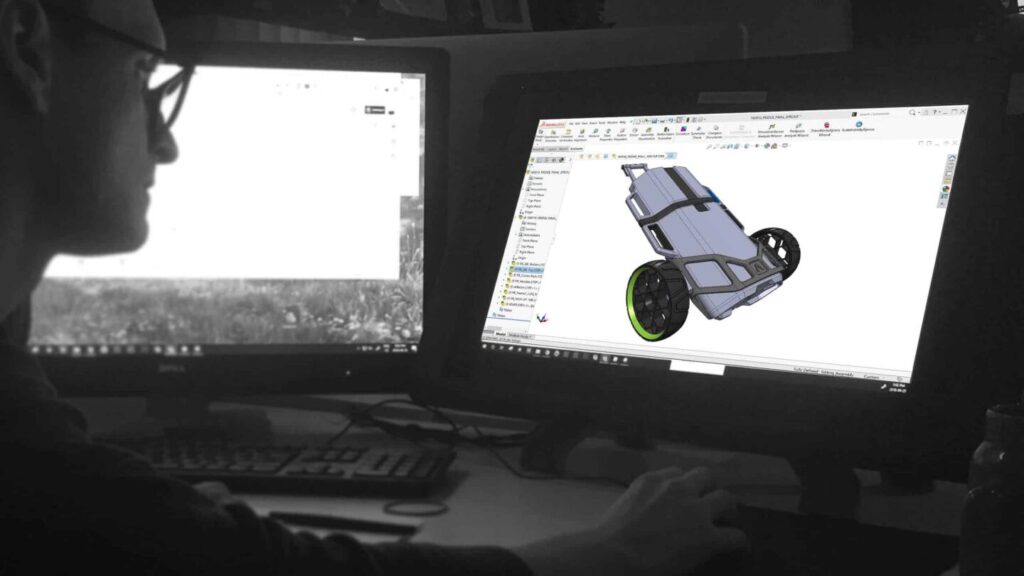
For physical products, prototyping is a critical step in validation. We build and test early forms to evaluate ergonomics, usability, proportions, and interaction. These prototypes help teams move from abstract ideas to tangible feedback, often revealing friction points that are difficult to anticipate in CAD alone.
Workflow And Use-Case Testing
Many products are used in specific environments or operational contexts. We simulate those conditions to test how the product performs in real use cases. This helps validate not just the object itself, but how it fits into a broader system of use.
Pilot Programs Or Small-Batch Testing
When appropriate, we validate concepts in real-world conditions through limited releases, pilot programs, or small production runs. This allows teams to observe durability, performance, and user response at a closer-to-market level before committing to full-scale manufacturing.
6 Common Mistakes Team Make
Even experienced teams can fall into patterns that weaken the validation process. In most cases, the issue is not a lack of effort, but a focus on the wrong signals too early.
1. Confusing internal excitement with market demand.
Teams that have been close to a concept for a long time often assume its value is obvious. Without external validation, that assumption can lead to products that feel compelling internally but fail to resonate with users once launched.
2. Over-indexing on aesthetics instead of functionality.
Highly polished renderings or early branding can create a false sense of progress, but they do not validate whether the product actually works in the real world. For physical products, usability, ergonomics, and performance matter far more than surface-level appeal in early stages.
3. Delaying engineering input too long.
While early concept work should allow for exploration, ignoring feasibility, materials, and manufacturing constraints can result in ideas that are difficult or expensive to produce. Bringing engineering perspectives into validation earlier helps ground decisions and reduce downstream friction.
4. Trying to validate everything at once.
Attempting to answer every question in a single round of testing can dilute insights and slow progress. Strong validation focuses on the highest-risk assumptions first, building confidence step by step.
5. Expanding MVP scope before validation is complete.
As ideas evolve, new features and use cases are added, often without clear justification. This leads to unnecessary complexity and longer development timelines. A disciplined validation process helps teams stay focused on what truly matters for the first release.
6. Treating validation as a one-time step.
The most common mistake we see teams make is treating validation as a checkpoint instead of an ongoing process. Validation should continue throughout development as concepts evolve, prototypes become more refined, engineering constraints emerge, and real-world feedback reveals new insights.
Early assumptions often change once a product is tested in context. What seems intuitive in concept may create friction in use. Features that appear valuable initially may prove unnecessary, while overlooked details can become critical to the user experience.
The strongest product development processes build validation into every phase, not just the beginning.
When A Product Concept Is Ready For Engineering
A product concept does not need to be fully resolved before entering engineering, but it does need to be grounded in evidence rather than assumption.
Validated Problem And Use-Case
Teams should have a clear understanding of who the product is for, the problem it solves, and the environments in which it will be used. The need should be strong enough to justify development.
Proven Value Proposition
It should be clearly articulated why the product matters, how it is differentiated, and why users would choose it over alternatives. This clarity informs both design and engineering decisions.
Testing Interactions And Usability
Through prototyping and testing, there should be confidence that users can understand and use the product without confusion or friction.
Identified Engineering Constraints
Major risks should be understood early. Materials, manufacturing approaches, cost targets, and technical constraints should be defined well enough to move forward without major unknowns.
Defined MVP Scope
The scope of the first release should be clear. Teams should know what is essential for version one and what can be deferred.
A concept is ready for engineering when the biggest strategic questions have been answered. With that foundation in place, development can move forward with greater speed, alignment, and confidence.
How Strategic Product Design De-Risks Development
Validation is not separate from product design. It is a core part of it.
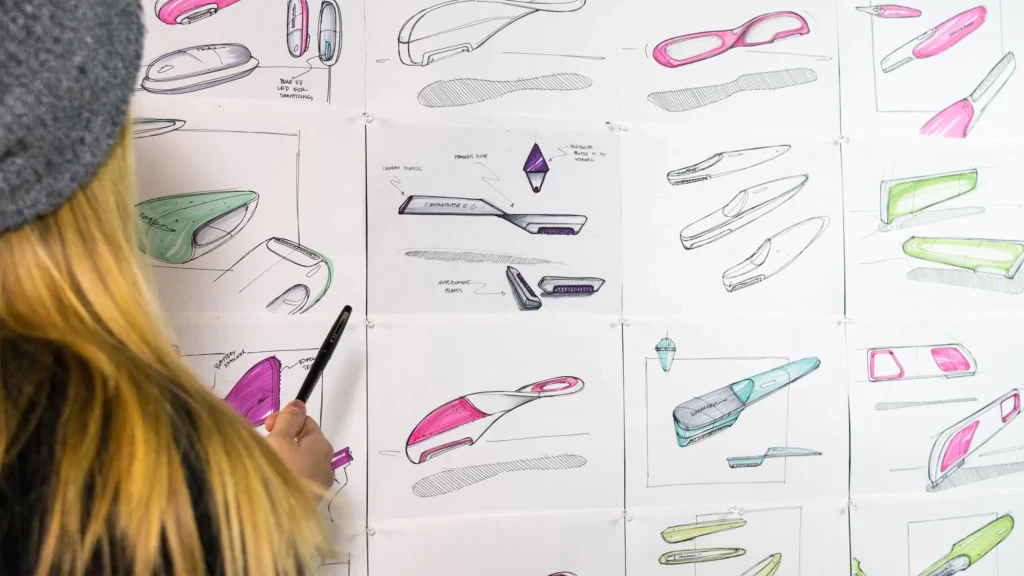
The right design partner helps shape the concept before engineering begins by combining research, prototyping, and iterative testing to reduce downstream risk.
At Sprout, we work closely with teams to move from early ideas to validated concepts, ensuring that what gets built is not only desirable, but feasible and commercially viable.
If your team is exploring a new product idea, Sprout can help validate the concept, refine the experience, and define a smarter path into engineering. Reach out to our product development team to discuss your next project.