High-quality visuals aren’t just nice to have, they drive decisions. 3D product rendering gives brands the ability to showcase products with precision, realism, and flexibility that traditional photography can’t match. From creating compelling e-commerce content to accelerating product development, this technology turns concepts into visual experiences that engage customers and streamline workflows.
At Sprout Studios, we specialize in developing a range of 3D product renderings tailored to each client’s goals. In this blog, we’ll break down the primary types of 3D renderings, explore their real-world applications, and discuss how strategically leveraging 3D visuals can boost engagement, optimize workflows, and drive measurable ROI.
Photorealistic Product Renderings
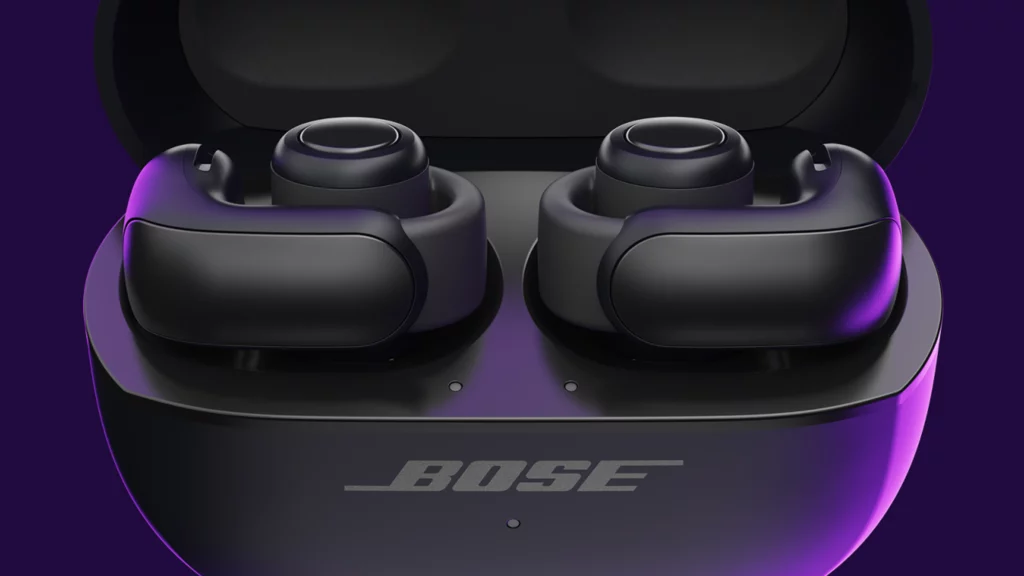
Photorealistic renderings are the cornerstone of 3D product visualization, offering lifelike representations of products that are virtually indistinguishable from real photographs. Many of our clients have replaced traditional photography entirely, leveraging photorealistic renderings to visualize extensive product portfolios with thousands of SKUs. This approach not only delivers unmatched consistency across visuals but also significantly reduces the time and cost associated with traditional photoshoots.
Photorealistic renderings are a foundation of our services at Sprout, enabling clients to present their products as they would appear in real life. These renderings are versatile and impactful, serving as the basis for e-commerce visuals, advertising materials, and product development strategies.
Use Cases For Photorealistic Product Renderings
- E-commerce: High-quality photorealistic images are vital for online retailers. They present products in their best light, fostering trust by offering an accurate and detailed depiction. This authenticity is critical in driving sales, as customers are more likely to purchase when they feel confident about the product’s appearance and quality.
- Marketing & Advertising: Photorealistic renderings are invaluable for creating attention-grabbing marketing campaigns. One of their key advantages is their adaptability, renderings can be easily repurposed for multiple uses. The same rendering can be paired with updated taglines for seasonal promotions, recolored to highlight new product variations, or reformatted to fit different platforms and mediums. This flexibility reduces production costs while maintaining visual consistency across campaigns.
- Product Development: Photorealistic renderings serve as a powerful supplement to sketches in the design phase. In our experience, having stakeholders review them early often surfaces concerns long before tooling begins, when changes become far more costly.
In-Context Product Renderings
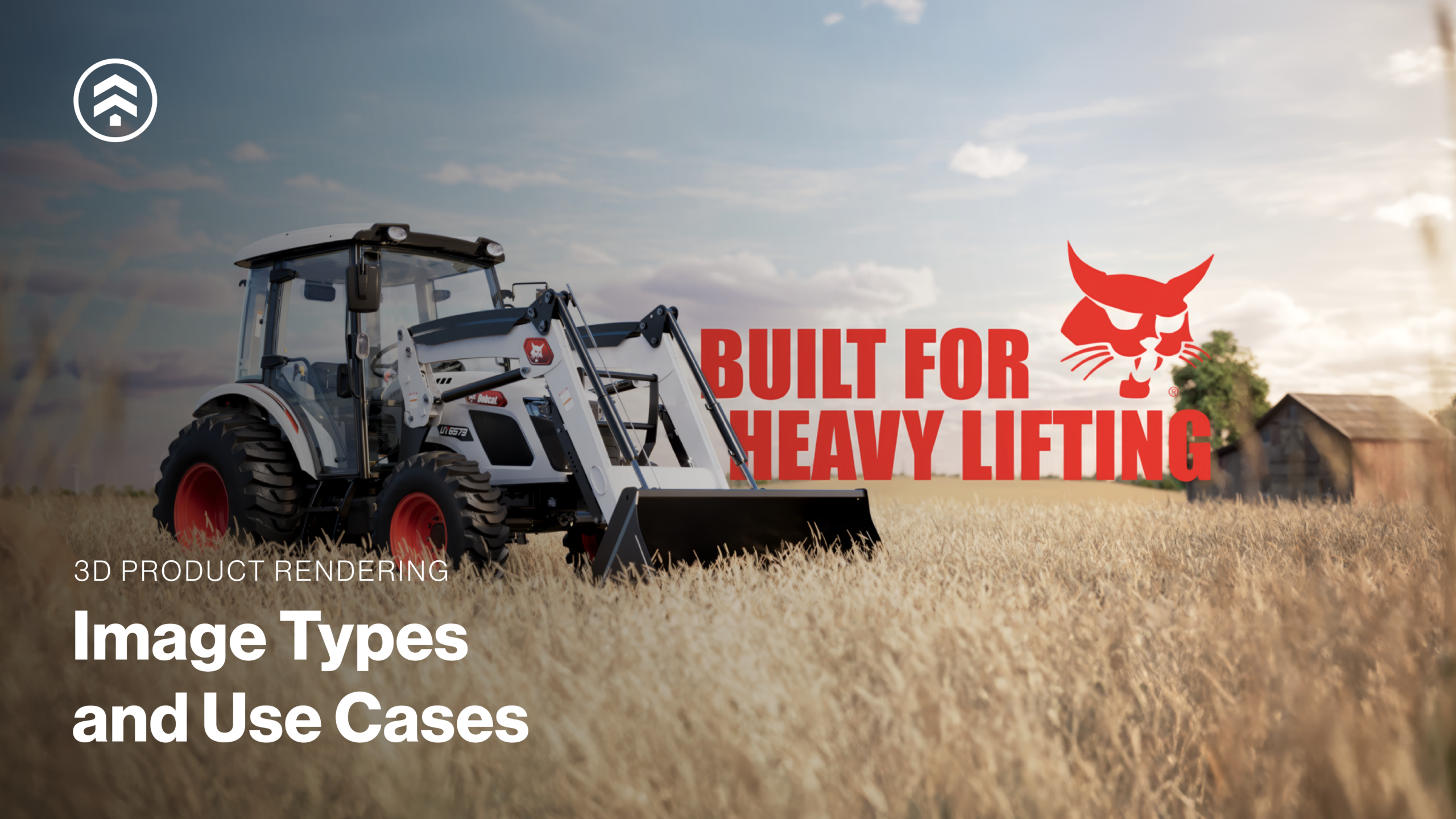
In-context renderings place products in realistic or stylized environments that mimic their intended use, helping consumers visualize how a product fits into their lives. These renderings evoke emotion, create a deeper connection to the product, and offer practical insights that static images alone cannot convey.
These scenes can highlight a product’s features, benefits, and usability, whether that’s placing a high-end speaker in a modern living room or showcasing outdoor gear in an adventurous setting. One of the biggest advantages for brands: a single product can be dropped into a winter scene for a holiday campaign, a beach setting for summer, or a different room style entirely for a new market, all without a new photoshoot. That same flexibility makes it easy to tailor marketing assets to different regions or audiences from one core asset library.
Use Cases For In-Context Product Renderings
- E-commerce: Adding in-context renderings to product pages provides additional layers of detail beyond standard photorealistic images. For instance, showing a piece of furniture in a beautifully designed room gives consumers a sense of style compatibility and offers perspective on scale and size. Visualizing how a product fits within a real-world environment helps build consumer confidence, especially for items like furniture, appliances, or decor.
- Marketing & Advertising: Campaigns that use in-context renderings create more engaging and shareable content. The ability to craft picturesque or stylized settings ensures your product aligns with your brand’s aesthetic while resonating with your target audience. In-context renderings are invaluable for lifestyle brands looking to create aspirational content. By showing the product in use, these images help consumers imagine owning and enjoying the item, bridging the gap between browsing and buying. For example, a rendering of a smartwatch worn during a morning jog can appeal to fitness enthusiasts, emphasizing its functionality in their daily routine. The same smartwatch can be applied to a different scene to fit a different demographic, without the need for multiple photoshoots.
- Product Development: In-context renderings are useful during the prototyping phase to demonstrate how a product interacts with its environment or is perceived in real-life scenarios. They offer insights into size relationships between the product and its surroundings, enabling designers to refine dimensions and ergonomics before manufacturing.
Exploded Views And Informative Product Renderings
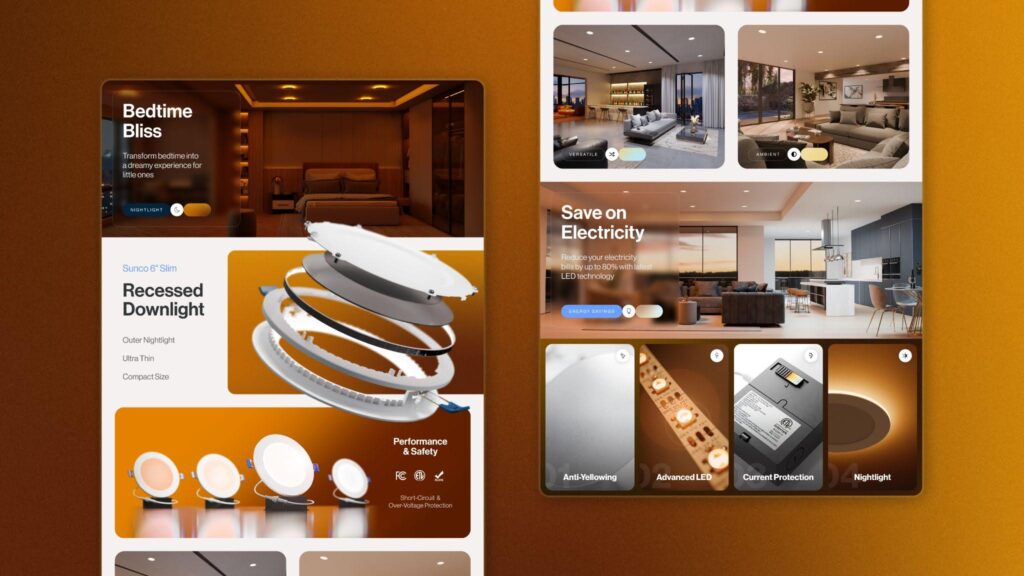
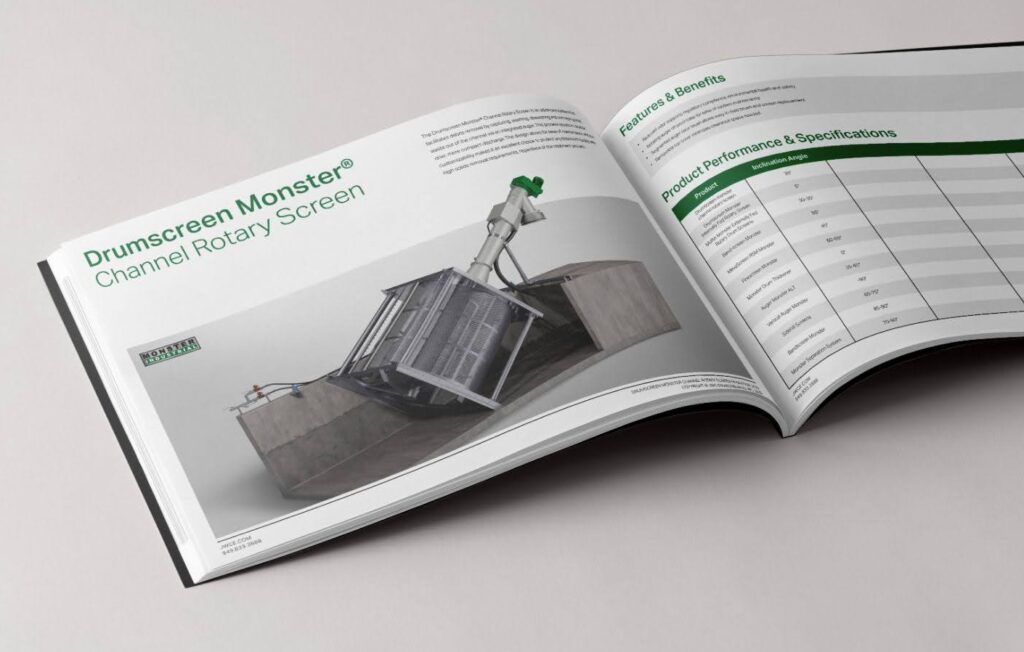
Exploded view renderings are a specialized form of visual communication that goes beyond aesthetics to focus on clarity and detail. These renderings dissect a product into its individual components, maintaining spatial relationships to showcase the product’s inner workings and assembly. Commonly used in technical illustrations for industrial and manufacturing brands, exploded views provide a unique perspective that highlights both the functionality and design intricacies of a product.
Whether explaining how a product is assembled, used, or repaired, technical views are an indispensable tool for conveying complex information with precision and ease. They are particularly useful for products with intricate mechanisms, multi-part assemblies, or features that require in-depth consumer understanding.
By combining technical accuracy with visual impact, exploded and informative view renderings play a critical role in bridging the gap between complexity and understanding, enhancing communication across product development, sales, and consumer education.
Use Cases For Exploded Views And Informative Product Renderings
- Product Manuals: Exploded view renderings are invaluable in product manuals and assembly instructions. They provide step-by-step clarity, eliminating confusion and making construction or assembly intuitive for consumers. This can lead to higher customer satisfaction and fewer support inquiries, streamlining the post-purchase experience.
- Training & Support: In industries like medical devices and manufacturing, where products can be highly complex, renderings serve as powerful training tools. Sprout has partnered with medical equipment manufacturers to develop detailed visualizations that enhance training and support, allowing users to explore intricate product features and understand operational workflows in a virtual, risk-free environment. The same assets can be incorporated into troubleshooting guides, helping users identify components and resolve issues visually, reducing support inquiries and accelerating problem resolution.
- E-commerce: Informative views are a valuable addition to e-commerce listings, especially for products requiring assembly. Highlighting the assembly process visually reassures consumers, builds trust in product quality, and can improve conversion rates by demonstrating ease of use.
- Product Development: For designers and engineers, technical renderings offer a practical way to visualize component interaction, detect potential issues, and ensure manufacturing precision. Exploded views streamline the development process, reduce waste, and improve efficiency by resolving challenges before production begins.
Interactive Product Renderings
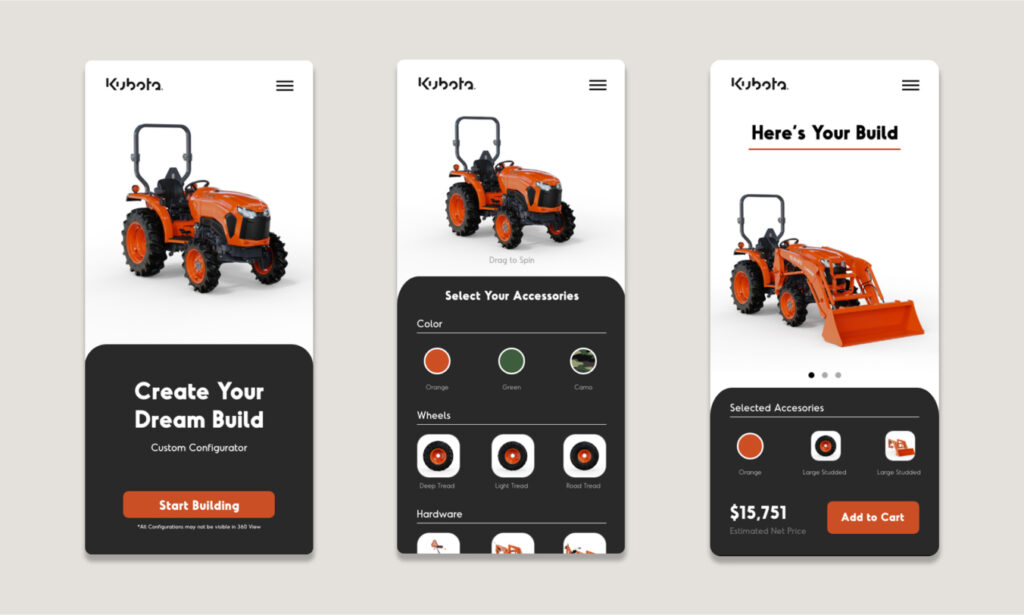
Interactive renderings, like 3D product configurators, empower customers to explore a product and discover, interact with, and purchase the features that matter most to them. This hands-on experience helps customers make a faster buying decision, results in more informed purchases, and reduces the probability of returning products. Allowing users to virtually tailor a product to their needs also minimizes the need for a stacked inventory, saving costs on supply, production, and storage.
Use Cases For Interactive Product Renderings
- E-commerce: Interactive renderings elevate the online shopping experience by acting as a virtual showroom. Consumers can customize products in real-time, viewing them from multiple angles and ensuring their choices align with their needs. This level of control enhances confidence in their purchase decisions, making interactive renderings a must-have for businesses offering customization options.
- Marketing & Advertising: Because a single configurator can represent every possible variation of a product, brands can promote an entire catalog’s worth of options without producing separate assets for each one. This also means new configurations, colorways, or accessories can be added to the tool as they launch, without a new photoshoot or rendering project each time.
- Product Development: Interactive renderings allow stakeholders explore a product in 3D, viewing it from any angle and configuring options in real time. Demonstrating configurations this way helps decision-making and inspires confidence throughout the development process.
Transform Your Product Visuals With 3D Rendering
3D product rendering is a versatile and powerful tool that transforms how businesses showcase their products. When used strategically, 3D renderings enhance the customer experience, streamline workflows, and drive measurable ROI. From e-commerce and advertising to product development, 3D renderings help brands increase conversion rates, improve customer trust, and differentiate themselves in a competitive market.
Whether it’s lifelike visuals that inspire confidence, technical renderings that clarify complex products, or interactive tools that allow customization at scale, 3D product renderings empower companies to tell their product stories in compelling and unique ways.
Ready to elevate your product visuals and maximize impact? Sprout Studios specializes in creating 3D product renderings that bring your ideas to life, from enhancing e-commerce listings and marketing campaigns to optimizing product development workflows.
Contact our CGI experts to explore how 3D product rendering can transform your brand’s visual storytelling.